Summary
Migraine is a debilitating neurological condition marked by recurrent episodes of intense headache frequently accompanied by nausea, vomiting and sensory abnormalities. Even though there are many therapy options, many patients are still unhappy since the results take too long to kick in, they have gastrointestinal side effects and they do not follow the instructions. The intranasal route has garnered considerable interest for acute migraine treatment because of its quick absorption, avoidance of first-pass metabolism and provision of a non-invasive option for individuals with gastrointestinal issues. Triptans, non-steroidal anti-inflammatory medications (NSAIDs) and new small-molecule antagonists are only a few of the pharmaceuticals that have been made into intranasal delivery methods. In recent years, polyherbal and innovative formulation strategies have been investigated to improve therapeutic efficacy and patient convenience. This review gives a full picture of the pathophysiology of migraines, the intranasal therapies currently available, herbal-based techniques, formulation tactics, mechanisms of intranasal drug administration, the benefits and drawbacks of this rapidly evolving sector and what the future holds for it.
Keywords
Acute migraine, calcitonin gene-related peptide, intranasal drug delivery, nose-to-brain delivery, poly-herbal formulations, triptans
Introduction
Migraine is one of the most common and disabling neurological disorders in the world, affecting approximately 15% of adults. Women are more likely to be affected than males [1]. It is marked by recurring unilateral throbbing headaches lasting from 4 to 72 hours, frequently accompanied by photophobia, phonophobia, nausea, and vomiting [2]. The World Health Organization (WHO) lists migraine as one of the leading causes of years lived with disability, highlighting its significant economic burden and impact on quality of life [3].
Standard oral medications, such as triptans and NSAIDs, remain the cornerstone of acute migraine treatment. However, numerous patients encounter delayed relief, inadequate absorption due to gastric stasis during attacks, or gastrointestinal discomfort, which constrains therapeutic efficacy [4]. Parenteral administration offers expedited relief but is intrusive and linked to low patient adherence [5]. Consequently, there is an urgent need for alternate drug delivery systems that are swift, efficient, and non-invasive.
The intranasal route offers distinct advantages: a large vascularized mucosal surface, rapid absorption and the possibility of direct drug transfer from the nose to the brain through olfactory and trigeminal pathways [6]. These characteristics make it a promising approach for both traditional pharmaceuticals and innovative formulations in migraine therapy. Multiple intranasal formulations, including sumatriptan, zolmitriptan and newer compounds such as zavegepant, have already demonstrated clinical efficacy [7].
Pathophysiology of Migraine
Migraine is likely to be a brain disorder involving altered regulation and control of afferents, with a particular focus on the cranium. An understanding of the pathophysiology of migraine should be based upon the anatomy and physiology of the pain-producing structures of the cranium integrated with knowledge of their central nervous system modulation. [8].
The activation of trigeminal afferents occurs through neuronal pannexin-1 mega channel opening and subsequent activation of caspase-1. This is followed by the release of proinflammatory mediators, activation of nuclear factor kappa-B (NF-kB), and the spreading of this inflammatory signal to trigeminal nerve fibers around the vessels of the pia mater. This process triggers a series of cortical, meningeal and brainstem events, provoking inflammation in the pain-sensitive meninges and resulting in headaches through central and peripheral mechanisms. This pathway can explain the cortical depression (which establishes the aura) and the latter prolonged activation of trigeminal nociception (which leads to headache).
Based on vasodilation, edema and plasma protein extravasation, neurogenic inflammation results from the activation of nociceptors, particularly within the trigeminal system. This process is associated with the release of substance P, calcitonin gene–related peptide (CGRP) and neurokinin A vasoactive neuropeptides liberated by stimulation of the trigeminal ganglion. Elevated levels of these neuropeptides have been observed in the spinal fluid of patients with chronic migraines. Neurogenic inflammation can lead to sensitization: a process where neurons become more responsive to stimulation. This may explain clinical symptoms of pain and the transition from episodic migraine to chronic migraines. [9]
Activation of the Trigeminovascular System
Trigeminal pathway activation triggers the release of neuropeptides including CGRP, substance P, neurokinin A, VIP, nitric oxide, and neuropeptide Y from trigeminal neurons. CGRP acts as a potent vasodilator, while substance P and neurokinin A promote plasma extravasation. This process drives neurogenic inflammation and pain transmission in migraine. [10]
The Function of Calcitonin Gene-Related Pep-tide (CGRP)
CGRP has become a key mediator in migraine pathophysiology. During attacks, CGRP levels rise and intravenous administration of CGRP provokes migraine like symptoms in susceptible individuals [11]. CGRP receptor antagonists and monoclonal antibodies targeting the CGRP pathway have therefore been developed as novel migraine therapies.
Sensitization of the Central Nervous System
During extended migraine episodes, continuous trigeminovascular stimulation induces central sensitization in the brainstem and thalamus, causing increased pain sensitivity, allodynia and prolonged headache duration [12].
The Function of Serotonin (5-HT)
Serotonergic dysfunction is also implicated in migraine. Triptans selective 5-HT1B/1D receptor agonists alleviate migraine symptoms by constricting intracranial arteries and blocking
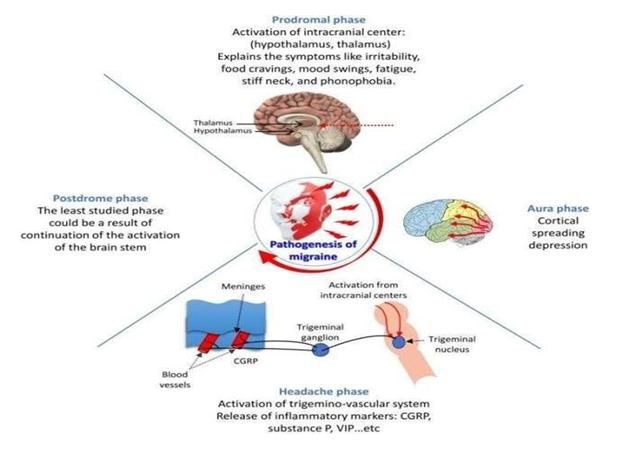
Figure 1 conceptual illustration of the mechanisms of the different phases of migraine. An overlap of the different phases is possible
neuropeptide release from trigeminal terminals [13].
In summary, migraine involves a cascade of CSD, trigeminovascular activation, CGRP production, serotonergic dysregulation, and central sensitization. Understanding these mechanisms has been vital in developing effective intranasal treatments that target specific cellular pathways [14].
Intranasal Drug Delivery Mechanism
The intranasal route exploits the highly vascularized nasal mucosa and the anatomical proximity of olfactory and trigeminal nerves to the brain. After intranasal administration, drug molecules traverse the nasal epithelium and can reach the CNS via olfactory and trigeminal nerve pathways, bypassing the blood–brain barrier (BBB) [15–17]. This nose-to-brain (N2B) pathway enables rapid therapeutic onset with reduced systemic side effects compared with oral administration.
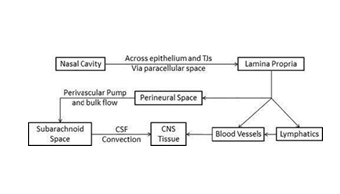
Figure 2. Author generated illustration of Flowchart illustrating the key extracellular steps involved in drug transport to the CNS following intranasal administration.
Drugs Used in Intranasal Therapy
Abortive Migraine Treatment
The ergots and triptans are the most efficacious medicines for abortive treatment of migraine headaches. Ergots have been available since the early 1900s, while triptans have been in use since the 1990s. Sumatriptan, the first triptan, has since become the global standard of care for
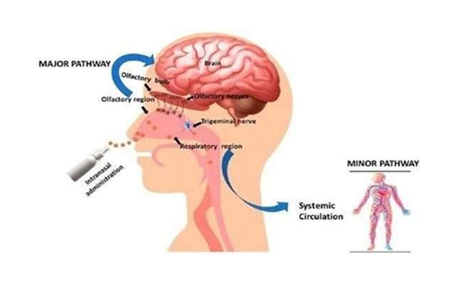
Figure 3. conceptual illustration of mechanism of drug delivery via the intranasal route of administration. Key advantages of the intranasal route include:
Rapid drug absorption through the richly vascularized nasal mucosa
Avoidance of hepatic first-pass metabolism
Bypass of the gastrointestinal environment
Potential direct CNS access via olfactory/trigeminal pathways
Non-invasive, patient-friendly administration
acute migraine. Its intranasal formulation offers rapid absorption, bypassing gastrointestinal stasis that frequently occurs during migraine attacks.
Preventive Migraine Treatment
Methysergide was the first preventive medication developed specifically for migraine. It acts as a potent serotonin antagonist and animal studies have confirmed its ability to induce cerebral vasoconstriction and suppress neurogenic inflammation [18]. Modern preventive strategies also include beta-blockers, antiepileptics, tricyclic antidepressants and CGRP-pathway agents. Erenumab, a CGRP receptor blocker, is a humanized IgG2 mAb that has been found to have an early onset efficacy. In one trial, patients who received erenumab (140 mg) reported a ≥50% decrease in the migraine days/week in the first week of use. In a study from Italy, treatment with erenumab for 1 month reduced the monthly migraine days (MMDs) in patients with CM by 12.2 days, in addition to resulting in reduced use of medication, intensity of pain, and disability. Two phase III randomized controlled trials (RCTs) have evaluated the efficacy of subcutaneously administered erenumab (70 mg and 140 mg monthly) in the prevention of EM and found ≥50% reduction in MMDs in a significant proportion of patients. American Headache Society guidelines state that mAbs treatment with established dosing may be used in adults demonstrating intolerance or unresponsiveness to at least two well-established prophylactic agents after 6 weeks of treatment initiation. [19]
FDA-Approved Intranasal Agents
The FDA has approved the following agents for intranasal migraine treatment:
Zavegepant (Zavzpret), a novel CGRP receptor antagonist, has recently been approved by the FDA for the acute treatment of migraine. Clinical trials have demonstrated its efficacy in providing headache and symptom relief, with a statistically significant percentage of patients achieving freedom from headaches and most bothersome symptoms. Despite mild adverse effects, such as taste disorders and nausea, Zavzpret’s overall safety profile remains acceptable.
Zavegepant is sold under the brand name Zavzpret by Pfizer Inc. It is a CGRP receptor antagonist used for the acute treatment of migraine with or without aura in adults. [20].
Herbal Versus Synthetic Drugs
Table 2 presents a detailed comparative analysis of herbal versus synthetic drugs across key pharmaceutical parameters including origin, composition, efficacy, safety and quality control standards.
Polyherbal Intranasal Preparations
Nasal drug delivery is considered a particularly promising approach for headache management because it is more convenient and potentially more effective than existing oral treatments. Individuals experiencing nausea during migraine attacks may favor non-oral formulations due to the reduced risk of vomiting. The nasal mucosa has a neutral pH, lacks the pancreatic and gastric enzymes that degrade drugs orally, and avoids hepatic first-pass metabolism. Some drugs, such as sumatriptan, have limited blood–brain barrier penetration via the oral route, making intranasal delivery particularly advantageous.
Herbal nasal drops are formulated from plant-derived substances with variable phytochemical compositions. One of the documented considerations of herbal medicines is their inconsistent adverse-effect profile compared to synthetic drugs. Herbal therapies derived from plant-based sources may be tolerated differently across patients depending on preparation and dosage. [22].
Key Herbal Extracts
Rough Cocklebur (Xanthium strumarium): Cocklebur has been described in select traditional medicine systems, though historical documentation varies across cultures. It reportedly demonstrates anti-inflammatory and analgesic activities that may contribute to migraine symptom management. Extracts from this plant have shown preliminary evidence of relief from headache and sinus pain associated with migraines, pending further clinical validation.
Purslane (Portulaca oleracea): Purslane is nutrient- dense and exhibits antioxidant, anti-inflammatory, and neuroprotective effects. It has been employed in herbal medicine to address migraine symptoms by reducing oxidative stress and inflammation. Its high omega-3 fatty acid content additionally supports neurological health [23].
Synthetic versus Herbal: Therapeutic Philosophy
Synthetic medications treat symptoms arising from de fined pathological mechanisms. By contrast, herbal medicine tends to support the body’s self-regulatory processes by gently reinforcing systems that have become deficient or correcting excesses that have become dominant. Medicinal plants thus offer a complementary therapeutic philosophy that extends beyond isolated symptom relief [24].
Benefits and Drawbacks of Intranasal Therapy
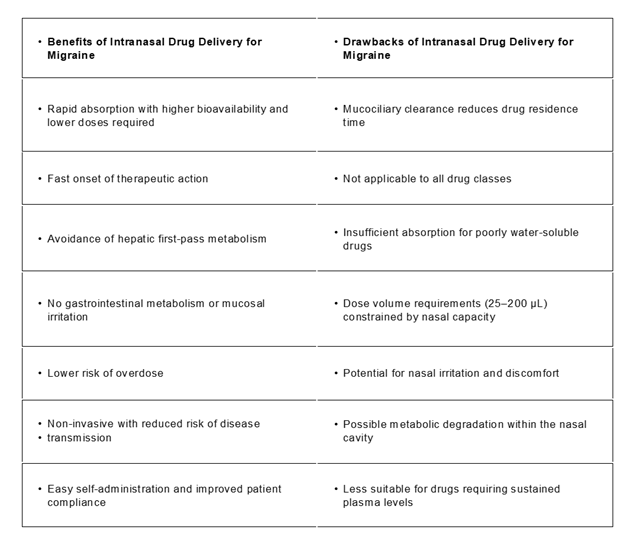
Table 1. Benefits and drawbacks of intranasal drug delivery for migraine management. [25]
In Vivo Evaluation Methods
Imaging studies have been employed to visualize drug deposition following intranasal administration in animal models. Veronesi et al. enumerated the predominant in vivo imaging modalities used in experimental investigations and underscored their importance in evaluating therapeutic efficacy [26].
Current Innovations: The nose-to-brain (N2B) drug delivery approach has emerged as a compelling strategy for the management of neurological disorders, offering a direct conduit to the central nervous system while minimizing unwanted systemic exposure and associated side effects. This route exploits the unique neural connections of the nasal cavity, specifically the olfactory and trigeminal nerve pathways, which provide a direct anatomical link between the nasal mucosa and the brain, allowing drugs to bypass the blood-brain barrier (BBB) altogether rather than attempting to penetrate it. This results in improved bioavailability at the target site, faster onset of action, and reduced hepatic first-pass metabolism, addressing key limitations of conventional CNS-targeted pharmacotherapy. However, challenges such as rapid mucociliary clearance, limited nasal residence time, and enzymatic degradation within the nasal mucosa often constrain efficient drug transport. To address these barriers, advanced nano based formulations, including polymeric nanoparticles, liposomes, and solid lipid nanoparticles, are being actively investigated to enhance N2B drug delivery efficiency. These nanocarriers improve mucoadhesion, protect therapeutic agents from enzymatic breakdown, and facilitate targeted uptake across the olfactory epithelium, making them promising tools for the treatment of neurological and neurodegenerative conditions such as Alzheimer's disease, Parkinson's disease, and migraine. [27]
Prospects for the Future
Patent analysis of N2B delivery technology indicates that research on excipients and novel dosage forms will drive the advancement of nasal and intracerebral drug delivery systems. Intranasal nano-delivery technology may offer an innovative approach for managing CNS disorders. Nano-delivery systems can leverage nano-targeting technology to enhance drug delivery efficiency along the nose-to-brain pathway, thereby reducing the risk of adverse reactions [28].
Future research priorities include:
1.Development of novel excipient materials and smart polymers
2.Improvement of formulation technology for sustained-release nasal systems
3.Engineering of advanced, patient-friendly delivery devices
4.Interdisciplinary collaboration to industrialize N2B delivery platforms
5.Large-scale clinical trials for polyherbal intranasal formulations intranasal migraine management [28].
Conclusion
Looking ahead, the convergence of artificial intelligence with pharmaceutical formulation science is poised to accelerate the development of next-generation intranasal migraine therapeutics. AI-driven modeling and machine learning algorithms can facilitate rational design of nasal formulations by predicting drug-mucosa interactions, optimizing permeation enhancers, and streamlining device-formulation compatibility, thereby reducing the time and cost associated with traditional trial-and-error approaches. Concurrently, the shift toward personalized
medicine offers promise for tailoring intranasal therapy based on individual patient factors such as nasal mucosal physiology, migraine phenotype, comorbidities, and pharmacogenomic profiles, potentially improving both efficacy and tolerability while minimizing adverse effects. However, realizing these advances will require parallel evolution in regulatory frameworks. Regulatory agencies will need to establish clear guidance on bioequivalence standards for nasal sprays, quality control benchmarks for novel excipients and polyherbal formulations, and pathways for approving AI-assisted formulation platforms, ensuring that innovation is matched by rigorous safety and efficacy oversight. Collaborative efforts among formulation scientists, clinicians, regulatory bodies, and technology developers will be essential to translate these emerging directions into clinically validated, accessible therapies for migraine management.
Acknowledgement
The authors sincerely thank their institution for providing the necessary support and resources to complete this review. We also acknowledge all researchers whose valuable work contributed to the development of this article.
Conflicts of Interest
There are no conflicts of interest
References
- Parikh SK, Bansal P, Buse DC, Lipton RB. Nasal spray (Zavegepant) for migraines: A mini-review. Curr Opin Neurol 2023;36(3):231–236.
- Dhillon S. Zavegepant: First Approval. Drugs 2023;83(9):825–831.
- Li G, Duan S, Zhu T, Ren Z, Xia H, Wang Z, et al. Efficacy and Safety of Intranasal Agents for the Acute Treatment of Migraine: A Systematic Review and Network Meta-Analysis. J Headache Pain2023;24(1):129.
- Wang, V. S. Intranasal Acute Migraine Treatments. Practical Neurology 2024, 23 (3), 32–37.
- Winner P, Rothner AD, Saper J, Nett R, Asgharne-jad M, Laurenza A, et al. A randomized, double-blind, placebo-controlled study of sumatriptan nasal spray in the treatment of acute migraine in adolescents. Pediatrics 2000;106(5):989–997.
- Rothner AD, Winner P, Nett R, Asgharnejad M, Laurenza A, Austin R, et al. One-year tolerability and efficacy of sumatriptan nasal spray in adoles-cents with migraine. Clin Ther 2000;22(12):1533–1546.
- Charlesworth BR, Dowson AJ, Purdy A, Becker WJ, Boes-Hansen S, Farkkilä M. Speed of onset and efficacy of zolmitriptan nasal spray in the acute treatment of migraine. CNS Drugs 2003;17(9):653– 667.
- Goadsby, P. J. Pathophysiology of Migraine. Ann. Indian Acad. Neurol. 2012, 15 (Suppl. 1), S15–S22. DOI: 10.4103/0972-2327.99993.
- Pescador Ruschel, M. A.; De Jesus, O. Migraine Headache. In StatPearls [Internet]; StatPearls Publishing: Treasure Island, FL, 2026. Updated July 5, 2024. https://www.ncbi.nlm.nih.gov/books/NBK560787/ (accessed 2026-06-08).
- “Trigeminovascular System. ScienceDirect Topics; Elsevier. (accessed March 24, 2026).
- Chi PW, Hsieh KY, Chen KY, Hsu CW, Bai CH, Chen C, et al. Intranasal lidocaine for acute mi-graine: a meta-analysis of randomized controlled trials. PLoS ONE 2019;14(10):e0224285.
- Afridi SK, Giffin NJ, Kaube H, Goadsby PJ. A randomized controlled trial of intranasal ke- tamine in migraine with prolonged aura. Neurology 2013;80(7):642–647.
- Tepper SJ, Albrecht D, Ailani J, Kirby L, Strom S, Rapoport AM. Long-term safety and tolerability of STS101 (dihydroergotamine nasal powder) in acute migraine. CNS Drugs 2024;38:1017–1027.
- Rizzoli PB. Acute and preventive treatment of mi-graine. Continuum 2012;18(4):764–782.
- Girotra P, Singh SK, Saini D. Disentangling the in-tricacies of migraine: A review. CNS Neurol Disord Drug Targets 2014;13(5):776–791.
- Crowe TP, Greenlee MH, Kanthasamy AG, Hsu WH. Mechanism of intranasal drug delivery directly to the brain. Life Sci 2018;195:44–52.
- Pandey M, Jain N, Kanoujia J, Hussain Z, Gorain B. Advances and challenges in intranasal delivery of antipsychotic agents targeting the CNS. Front Pharmacol 2022;13:865590.
- Spierings EL. Mechanism of migraine and action of antimigraine medications. Med Clin North Am 2001;85(4):943–958.
- Aditya, S.; Rattan, A. Advances in CGRP Monoclonal Antibodies as Migraine Therapy: A Narrative Review. Saudi J. Med. Med. Sci. 2023, 11 (1),11–18.
- Ahmed, U.; Saleem, M. M.; Osman, M. A.; Shamat, S. F. Novel FDA-Approved Zavegepant Drug for Treating Migraine. Ann. Med. Surg. 2023, 86 (2), 923–925.
- Chaudhari R, Bele S. Herbal vs. synthetic: The drug comparison. Int J Res Publ Rev 2024;5(11):3494–3507.
- Sagar M, Mamatha A, Yashwanth S, Naik SM, Sharath TP. Formulation and evaluation of herbal nasal drops for migraine. Eur J Pharm Med Res 2024;11(3):304–308.
- Kakde SA, Mujawar AS, Khade KS, Palkar SV, Pattankude VS, Jadge DR. Intranasal polyherbal formulation for migraine treatment. Kronika Journal 2025;25(5):61–70.
- Karimi A, Majlesi M, Rafieian-Kopaei M. Herbal versus synthetic drugs; beliefs and facts. J Nephropharmacol 2015;4(1):27–30.
- Dey S, Mahanti B, Mazumder B, Dasgupta S. Nasal drug delivery: An approach of drug deliv- ery through nasal route. Der Pharmacia Sinica 2011;2(3):94–106.
- Boyuklieva R, Zagorchev P, Pilicheva B. Com-putational, in vitro, and in vivo models for nose-to-brain drug delivery studies. Biomedicines 2023;11(8):2198.
- Joseph JR, Puttegowda VD, Kanthiah S, Luna-gariya AP, Mishra JK, George AM. Recent devel-opment of nose-to-brain delivery as inhalable dry nanoparticles for migraine treatment. Res J Pharm Technol 2025;18(1):51–57.
- Ge Y, Xu X, Cao M, Liu B, Wang Y, Liao P, et al. Nasal drug delivery and nose-to-brain delivery technology: Development status and trend analy-sis. Pharmaceutics 2024;16(7):929.