Graphical Abstract
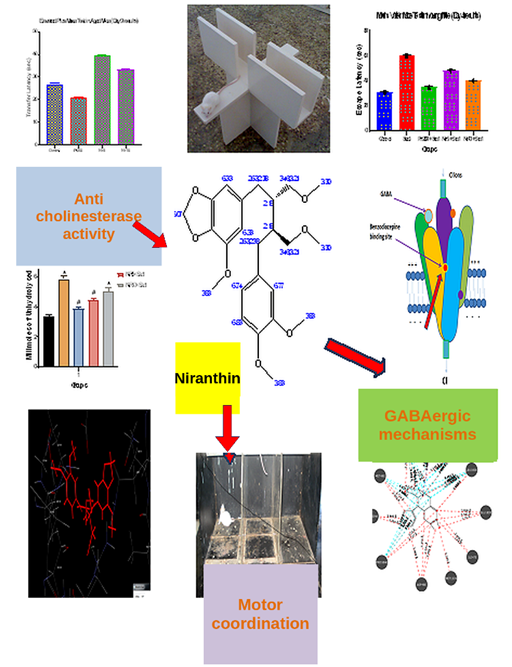
Summary
Ethnopharmacological relevance: The ayurvedic and ethnobotanical literature indicates use of Phyllanthus to treat physical sensations, somatic signs of anxiety and CNS disorders. Niranthin, a lignan isolated from the aerial parts of the plant Phyllanthus amarus, exhibits a wide spectrum of pharmacological activities.
Aim of the study: This investigation was intended to explore the anti-amnesic/ anti-Alzheimer potential of Niranthin and forecast possible role of similar class of compounds.
Materials and methods: Niranthin was evaluated using established in vivo models, including the Morris Water Maze, Elevated Plus Maze, scopolamine-induced amnesia, and motor coordination tests. Its effect on cholinergic function was assessed through acetylcholinesterase inhibition. Molecular docking studies were performed to predict interactions with key Alzheimer’s disease targets, including acetylcholinesterase, butyrylcholinesterase, beta-secretase, tau protein kinase, and monoamine oxidases.
Results: Niranthin significantly improved learning and memory in behavioral models and attenuated scopolamine-induced cognitive deficits. It demonstrated acetylcholinesterase inhibitory activity and showed potential involvement of the GABAergic system. Docking studies revealed strong binding affinity toward multiple targets associated with Alzheimer’s pathology. Additionally, Niranthin exhibited favorable physicochemical properties and predicted blood–brain barrier permeability Conclusion: The findings of present study suggest that Niranthin possesses promising multi-target neuroprotective properties against scopolamine-induced cognitive impairment. However, additional investigations including pharmacokinetic evaluation, chronic toxicity assessment, and validation in transgenic Alzheimer's disease models are required before therapeutic translation can be considered.
Keywords
Niranthin, Amnesia, Alzheimer’s disease, GABA.
Introduction
Today, deprived memory, sluggish recall, and lesser retention are widespread concerns worldwide (Ballard et al., 2011). Alzheimer’s disease (AD) is the most common neurodegenerative disease, which affects memory and the brain and hence it is considered the leading cause of dementia in aged population (Scheltens et al.,2016). The management and treatment of the CNS disorders is a problem due to the complexities of these disorders as well as the limitations of the available allopathic medications that are currently in the market. More than 100 years after the initial description of AD and the identification of Aβ as a key pathologic component, the search for effective anti-Aβ therapies continues (Mondragón-Rodríguez et al., 2010).oday, deprived memory, sluggish recall, and lesser retention are widespread concerns worldwide Synthetic drugs are useful for managing AD and many other chronic illnesses; still there are side effects (Amtul et al., 2016). Consequently, attention of researchers has inclined toward phytochemicals as promising therapeutic agents. Many are anti-inflammatory, antioxidant and possess anticholinesterase activities with minimal side effects.
Approaches to Traditional Chinese Medicine (TCM) remedies reveal first that traditional herbs and phytochemicals may delay AD onset and slow its progression but also allow recovery by targeting multiple pathological causes that possess antioxidant, anti-inflammatory, and anti-amyloidogenic properties. Furthermore, herbs regulate mitochondrial stress, apoptotic factors, free radical scavenging systems, and neurotrophic factors (Haakeet al., 2020). Severalscientific studies have described the use of various Ayurvedic medicinal plants termed 'nervines' and their constituents to strengthen the functional activity of the nervous system and restoration of memory(Rao et al., 2012; Manyam 1999).Ayurvedic texts explain the use of several herbs and their qualities as energetic for nervous system disorders, including memory loss typically seen in older adults, but only recently have there been mechanistic studies on the role of these herbs in nervous system disorders and dementias, including dementia associated with AD(Kelley and Knopman 2008; Rao et al., 2012). As per the ayurvedicand ethnobotanical literature most of the Phyllanthus species has been used to treat physicalsensations, somatic signs of anxiety and Central nervous system diseases (Kapoor, 2005; Nadkarni, 2005; Mao et al., 2016).
The fresh leaves of Phyllanthus amarus are bruised and mixed with butter or milk is given to children to calm or sedate themdue to irritation particularly in anxious states (Kirtikar and Basu 2005). The lignan family of natural products includes compounds with important and wide range of medicinal properties (Wei et al., 2019). Studies have shown that a number of lignans isolated from various Phyllanthus species possessed pharmacological activities including anti-cancer, anti-inflammatory, anti-viral, anti-bacterial, and anti-tumor properties (Calixto et al., 1998; Patelet al., 2011).
Our laboratory has investigated pain modulatory potential and anti-fibromyalgic activity of different extracts of P. amarus (Chopade & Sayyad 2015). In our recent investigations with lignan rich extracts we got some probable exciting clues to assess the anti-Alzheimer-like potential of lignans from P. amarus (Chopade et al., 2020). Taking this view into consideration, we suggest that phytochemicals from lignan family may be promising therapeutic agents for treating AD. Niranthin (NIR), a lignan isolated from the aerial parts of the plant Phyllanthus amarus, exhibits a wide spectrum of pharmacological activities. Niranthin also exhibits anti-inflammatory and anti-allodynic properties (Kassuya et al., 2006) and has been shown to possess anti-viral activity against human hepatitis B virus in vitro (Huang et al., 2003). The lignan-rich fraction containing Niranthin from aerial parts of Phyllanthus amarus exhibits cytotoxic effects in the K-562 cell line (Leite et al., 2006). Chowdhury et al have shown niranthin capability as a potent anti-Leishmanial agent (Chowdhury et al. 2012). Recently Conrado et al have reaffirmed anti-Leishmanial and anti-trypanosomal activity of niranthin and other lignans from P. amarus (Conrado et al., 2020).
In a recent study from our colleagues conducted in-silico and in-vivo analysis indicating the plausible role of GABA mediation for anxiolytic activityof niranthin (Chopade et al 2021). However, the anti-Alzheimer potential of niranthin has not been studied. Thus, the main aim of this present study was to investigate the effects of lignan niranthin in vivo models. Additionally, to investigate the mechanism(s) underlying the effects of NIR, we studied whether the lignans have any pharmacological effects on the cholinergic and GABAnergic pathways.
Results
3.1 Assessing improvement in cognitive functions using Morris Water Maze test:-
Lowering of escape latency is an indication of improvement in the learning and spatial memory. Pre-treatment with Niranthin (5 mg/kg and 10 mg/kg) significantly decreased the escape latency to reach the platform on both 4th and 5th day in comparison with results of the control group mice. The decreased escape latency on 5th day signifies retention of memory. The results of higher dose of Niranthin (10 mg/kg) reflected marked decrease in the escape latencies on the 4th and 5th day which were comparable to that of piracetam 200mg/kg group results. Thus, the results signify improved memory and the learning of animals treated with Niranthin. (see Figures 1 & 2).
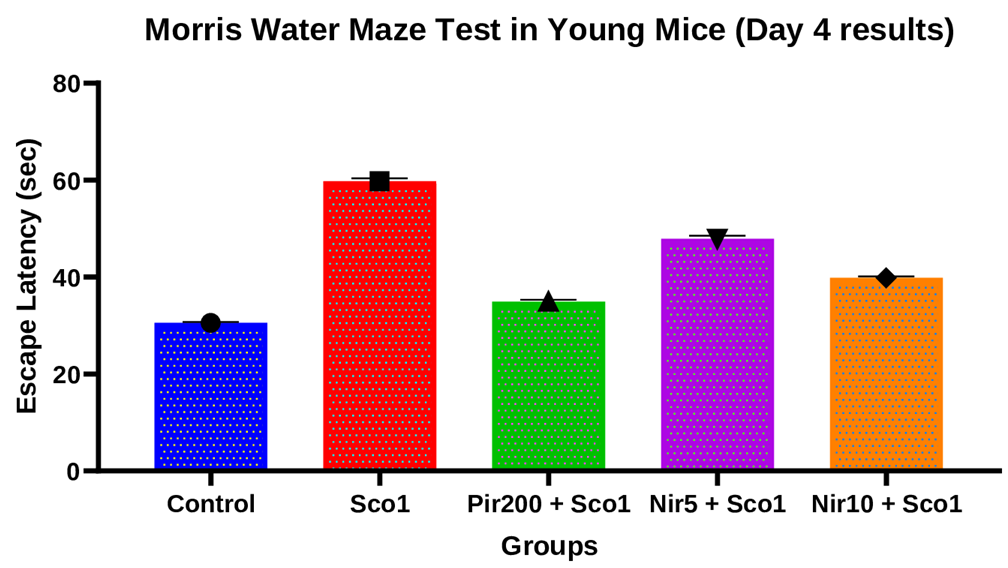
Figure 1. Morris water maze task effects observed in young mice of Niranthin in scopolamine induced amnesia on day 4. Values are expressed as Mean ± SEM. (N = 6), **P < 0.01, when compared to normal control group by one-way ANNOVA followed by DUNNETT’S test.
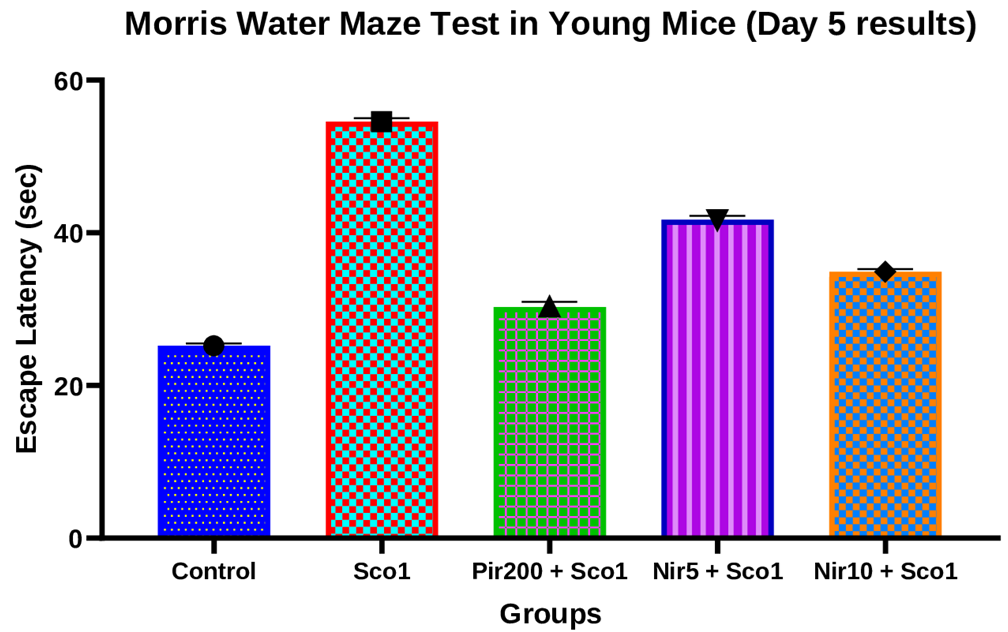
Figure 2. Morris water maze task effects observed in young mice of Niranthin in scopolamine induced amnesia on day 5. Values are expressed as Mean ± SEM. (N = 6), **P < 0.01, when compared to normal control group by one-way ANNOVA followed by DUNNETT’S test.
3.2 Assessment of anti-Alzheimer activity in young and aging animals using Elevated Plus Maze (EPM) test with scopolamine-induced amnesia:-
Lowering of TL is an indication of improvement in memory. The decreased TL on 9th day signifies retention of memory. Niranthin
(5 mg/kg and 10 mg/kg) administered orally for 8 consecutive days have resulted in significantly decreased TLon 8thand 9thday in
both young and aged, compared to control groups on EPM test apparatus details are shown in Figures 3-6. Young Mice show
remarkable reduction in TL on 9th day, signifying retention memory (Figure 4). Results of high dose of Niranthin (10 mg/kg)
reflects, major decrease in TL on 8th and 9th day which were comparable to the results of piracetam 200 mg/kg. Also, it was
observed that Niranthin 10 mg/kg i.p. successfully reversed memory deficits induced by scopolamine.
The results of aged mice demonstrate high TL on 8th and on 9th Day when compared with TL values of young mice, which signifies
impairment of memory and learning abilities in aged mice. Pretreatment with standard drug, i.e. piracetam 200 mg/kg for 8
consecutive days resulted in decreased TL on 8th Day and on 9th Day as compared to control, which validates our model
(Figures 5 & 6). Treatment with scopolamine (0.4 mg/kg) resulted in significant increase in TL in young mice on 8th and 9thday as
compared to control, signifies memory impairment.
Lastly, the results also noted improved memory and the learning of aged animals compared to scopolamine-treated young mice as demonstrated by noteworthy decrease in TL when subjected to elevated plus maze tests.
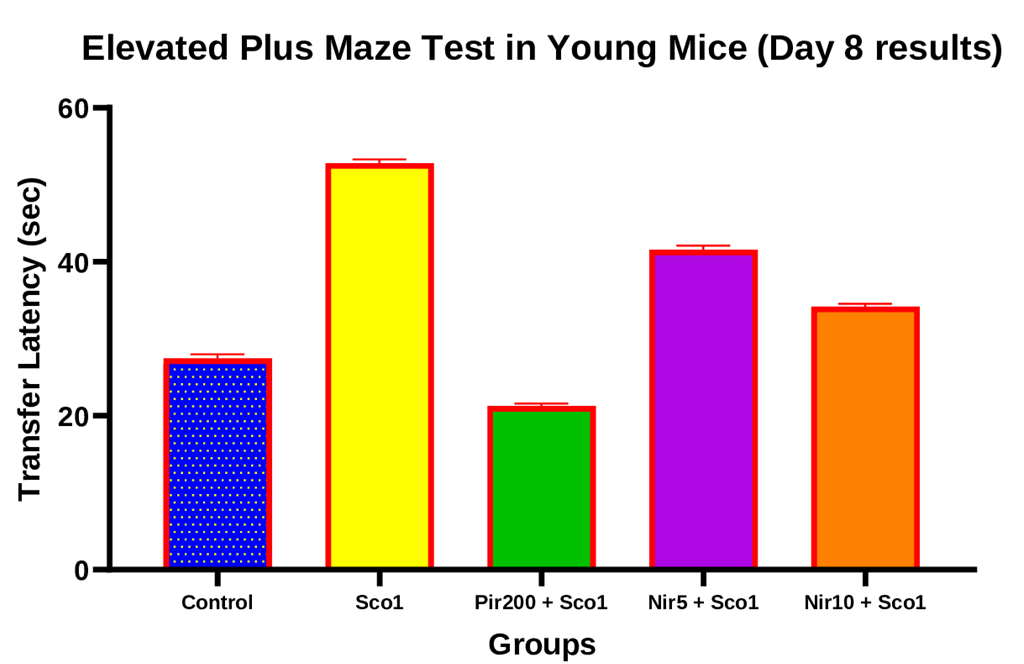
Figure 3. Elevated Plus Maze task effects observed in young mice of Niranthin in scopolamine induced amnesia on day 8. Values are in mean ± SEM (n=6): ** denotes p < 0.01as compared to control group of young mice. (One-way ANOVA followed by Dunnett’s test).
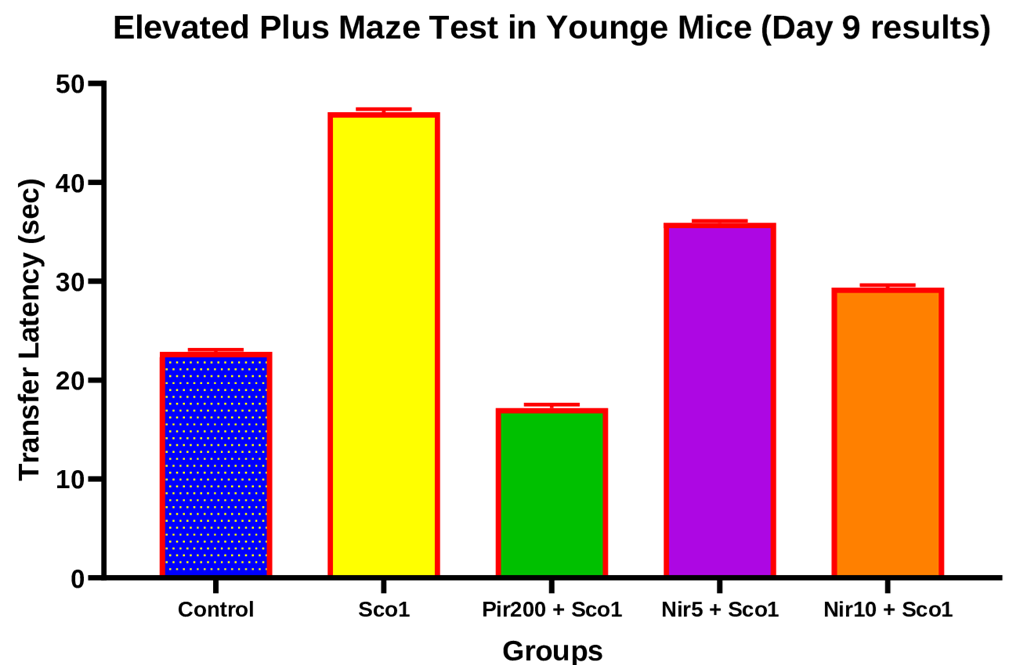
Figure 4. Elevated Plus Maze task effects observed in young mice of Niranthin in scopolamine induced amnesia on day 9. Values are in mean ± SEM (n=6): ** denotes p < 0.01as compared to control group of young mice. (One-way ANOVA followed by Dunnett’s test).
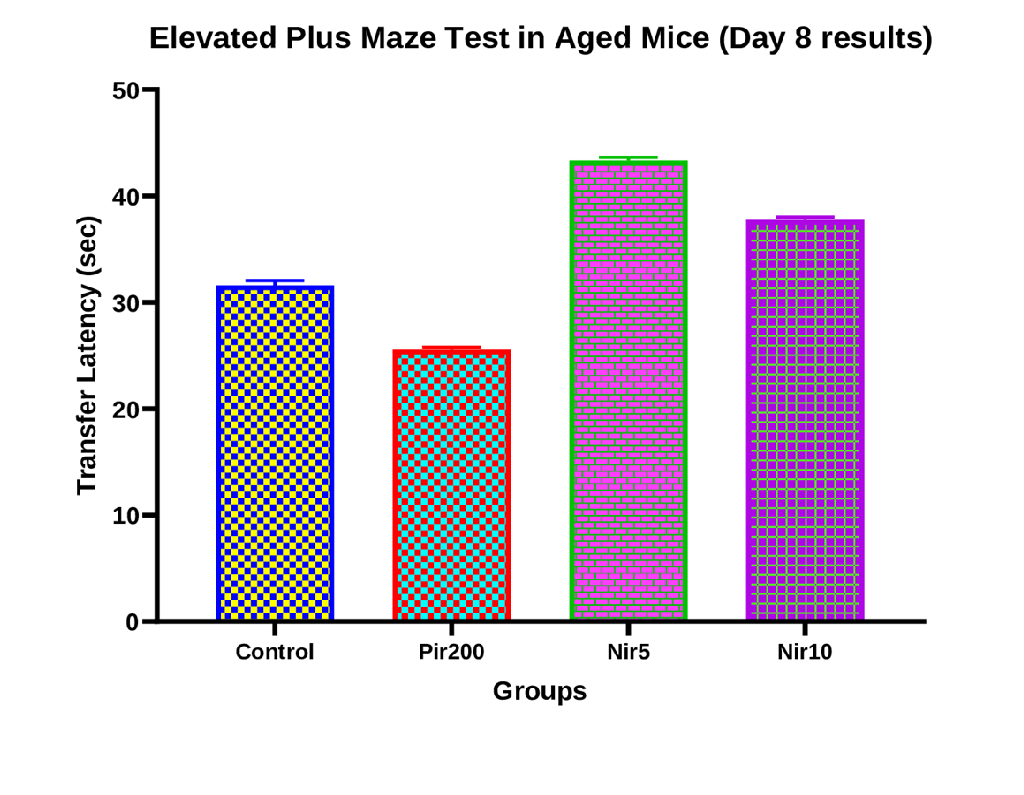
Figure 5. Elevated Plus Maze task effects observed in Aged mice of Niranthin in scopolamine induced amnesia on day 8. Values are in mean ± SEM (n=6): ** denotes p < 0.01as compared to control group of young mice. (One-way ANOVA followed by Dunnett’s test).
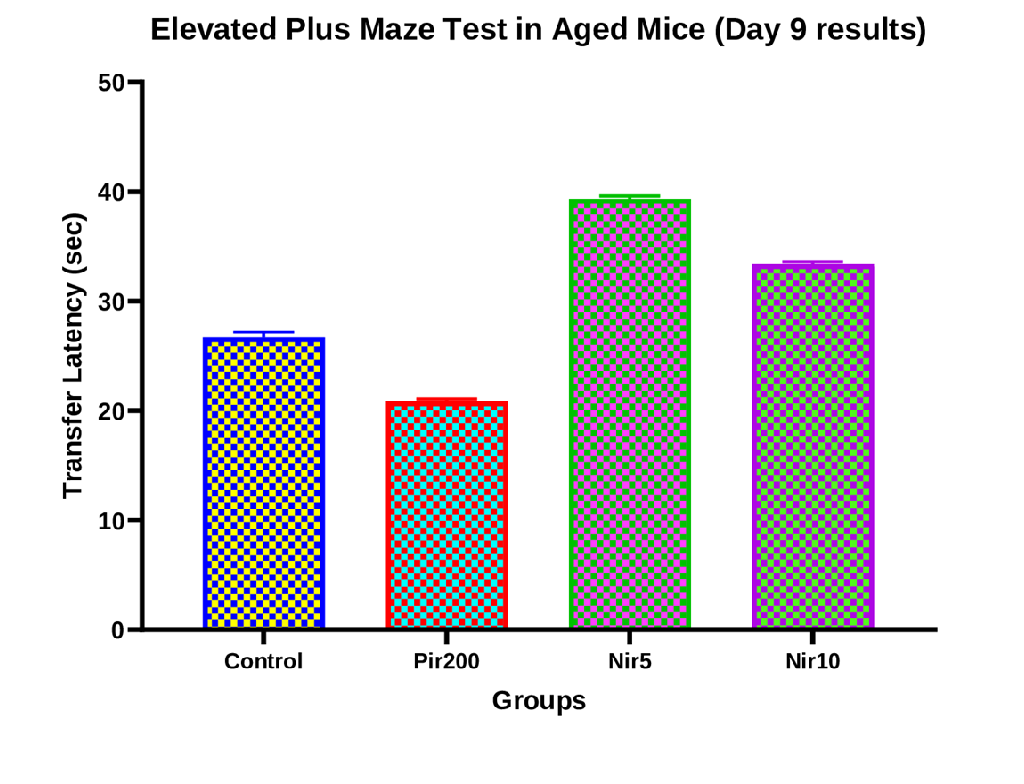
Figure 6. Figure 6. Elevated Plus Maze task effects observed in Aged mice of Niranthin in scopolamine induced amnesia on day 9. Values are in mean ± SEM (n=6): ** denotes p < 0.01as compared to control group of young mice. (One-way ANOVA followed by Dunnett’s test).
3.3 Effect of Niranthin on motor coordination activity:-
The results of mice treated with Niranthin 5 mg/kg do not show significant change in motor coordination activity when compared
with the results for control group. While at a higher dose (10mg/kg) the results of Niranthin appears to be potentially sedative
as indicated in figure 7.
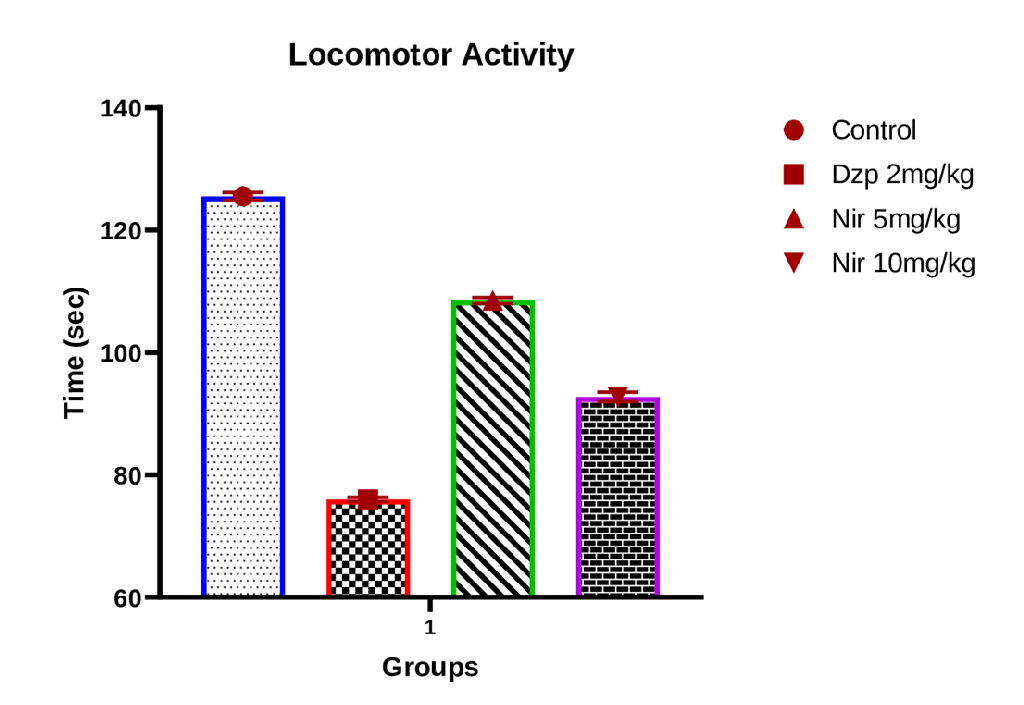
Figure7.Ef fects of Niranthin on motor co-ordination performance. Values are in mean ± SEM (n=6): ** denotes p < 0.01as compared to control group of young mice. (One-way ANOVA followed by Dunnett’s test).
3.4 Effect of niranthin on Acetylcholine [ACh] Levels in Mouse Brain-
Pre-treatment with niranthin exhibited significant protective effect against ACh breakdown as indicated by increase in amount of
unhydrolysed ACh and decrease in the amount of hydrolysed ACh (figure 8). Increased levels of unhydrolysed acetylcholine levels in
brain homogenate of treated animals, gives an indication of acetyl cholinesterase inhibitory activity of niranthin.
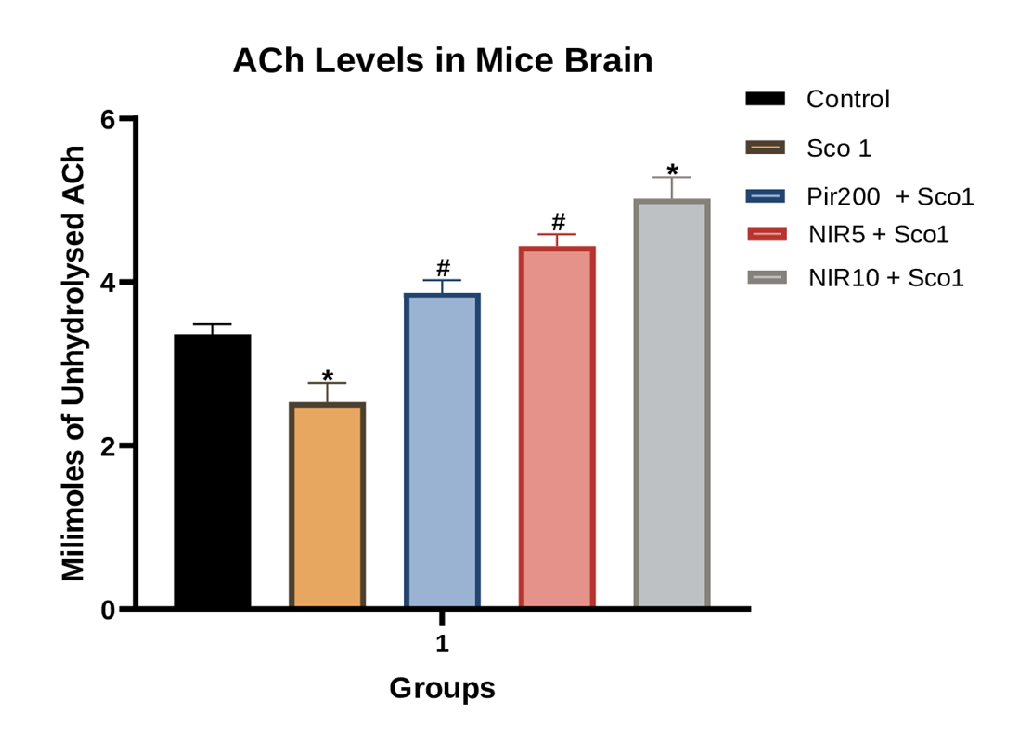
Figure. 8 Effects of Niranthin on Acetlycholinestarase levels in mice brain. Values are in mean ± SEM (n=6): ** denotes p < 0.01as compared to control group of young mice. (One-way ANOVA followed by Dunnett’s test).
3.5
In the EPM test, Flumazenil reversed the effect of diazepam 2mg/kg and niranthin 10 mg/kg on the number of number of entries and
time spent in the open arm of EPM apparatus, suggestive of possible mechanism of action of Niranthin via GABA-A receptor as
indicative in figure 9 A & B. The EPM test is one of the most popular tests for search of new benzodiazepine-like anxiolytic agents
and flumazenil is most-widely used experimental tool to study benzodiazepine antagonism. In this context, the activity of the
niranthin in relieving anxiety-like effects in the EPM model may suggest a possible positive modulation of the GABA-A/benzodiazepine
receptor complex.
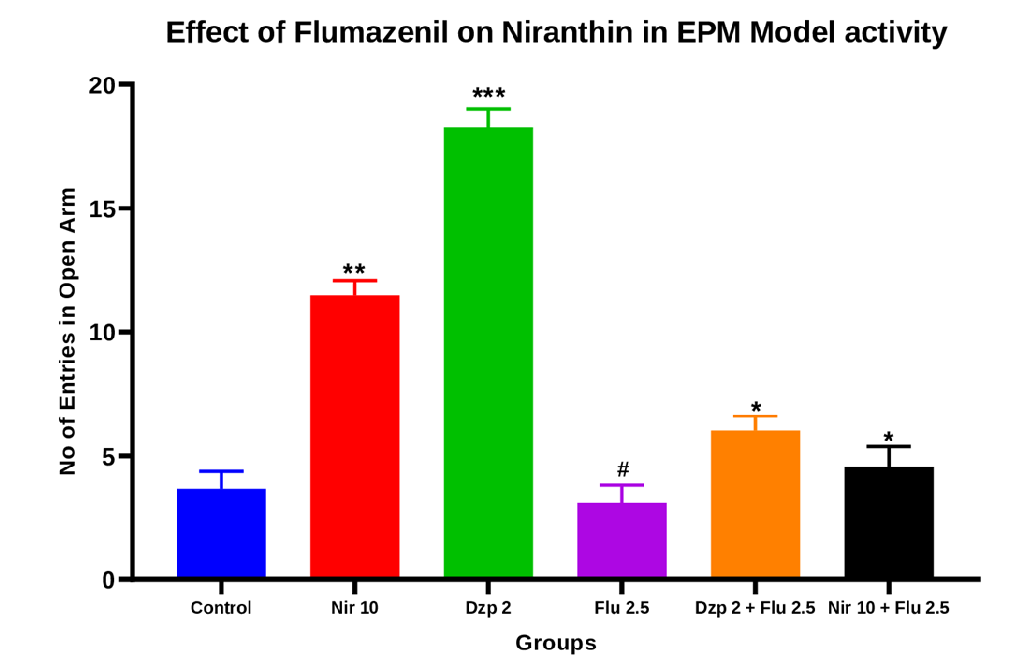
Figure. 9A Elevated Plus Maze task effects of Flumazenil on Niranthin pretreament. Values are in mean ± SEM (n=6): ** denotes p < 0.01as compared to control group of young mice. (One-way ANOVA followed by Dunnett’s test).
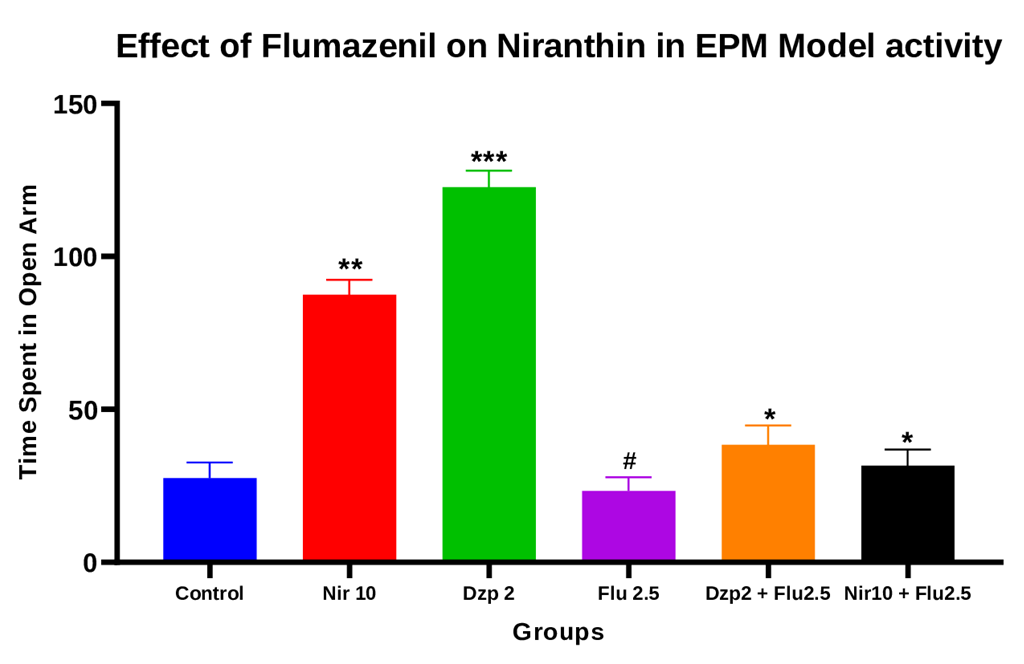
Figure. 9B Elevated Plus Maze task effects of Flumazenil on Niranthin pretreament. Values are in mean ± SEM (n=6): ** denotes p < 0.01as compared to control group of young mice. (One-way ANOVA followed by Dunnett’s test).
3.6 Docking predictions
Docking analysis utilized to analyze the possible mode mechanism of action Niranthin to exhibit the anti-Alzheimer’s potential.
Docking analysis was performed using crystal structure of acetylcholinesterase complexed with anti-Alzheimer drug E2020 (1EVE),
Structure of Beta-Secretase Complexed with Inhibitor (1FKN), Binary complex structure of human tau protein kinase I with
AMPPNP(1J1B), (), (), Human Monoamine Oxidase B in complex with Deprenyl (2BYB), (). Niranthin interacted with
acetylcholinesterase (1EVE) via formation of hydrogen bond with PHE288 (2.1A0), aromatic interaction with TYR334
(4.3 A0),TRP279(5.1 A0) and showed total docking score of -83.39. Pictures of best docking poses are depicted in Figures
10 - 16. Niranthin interacted with Beta-Secretase Complexed with Inhibitor (1FKN), with docking score of -43.78 and showed
formation of hydrogen bond with ARG235 (1.5A0). Niranthin interacted with human tau protein kinase I(1J1B), with docking score
of -52.85 and showed formation of aromatic interaction with PHE67 (5.2 A0).Niranthin interacted with () with docking score of
-61.94 and showed formation of aromatic interaction with HIS393 (4.5 A0).Niranthin interacted with () with docking score of
-70.24and showed formation of aromatic interaction with ASN289 (2.2A0).Niranthin interacted with Human Monoamine Oxidase B(2BYB)
with docking score of -70.24 and showed formation of aromatic interaction with TRP119 (4.3 A0), PHE103 (5.4 A0), TYR326
(5.1 A0).
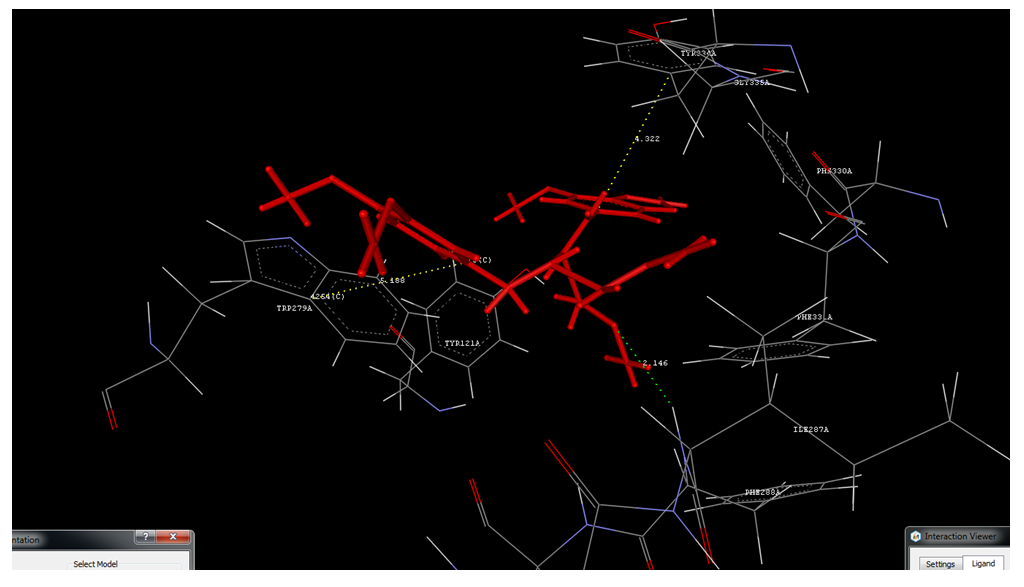
Figure. 10 Niranthin interacted with acetylcholinesterase (1EVE)
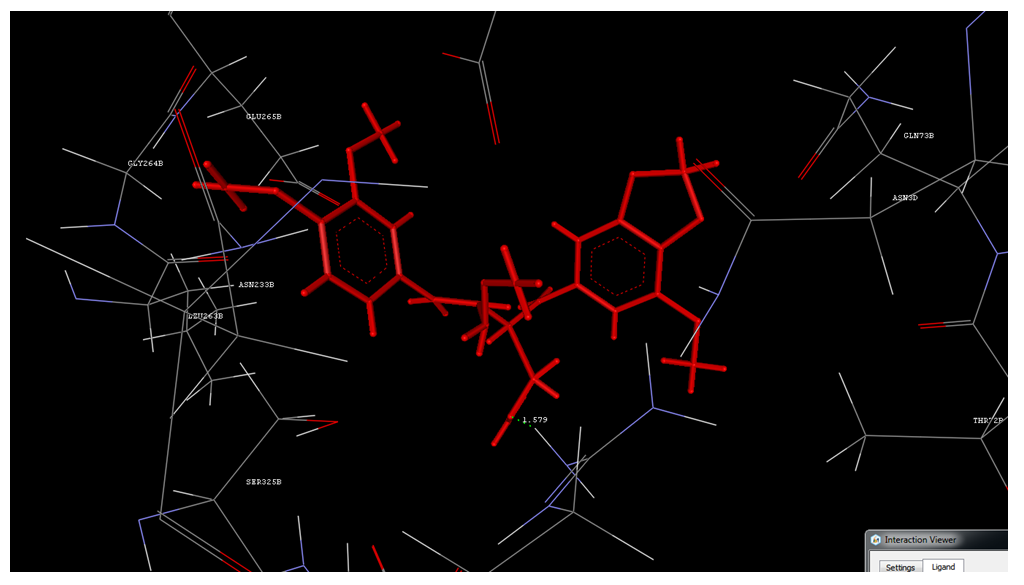
Figure. 11 Niranthin interacted with Beta-SecretaseComplexed with Inhibitor (1FKN)
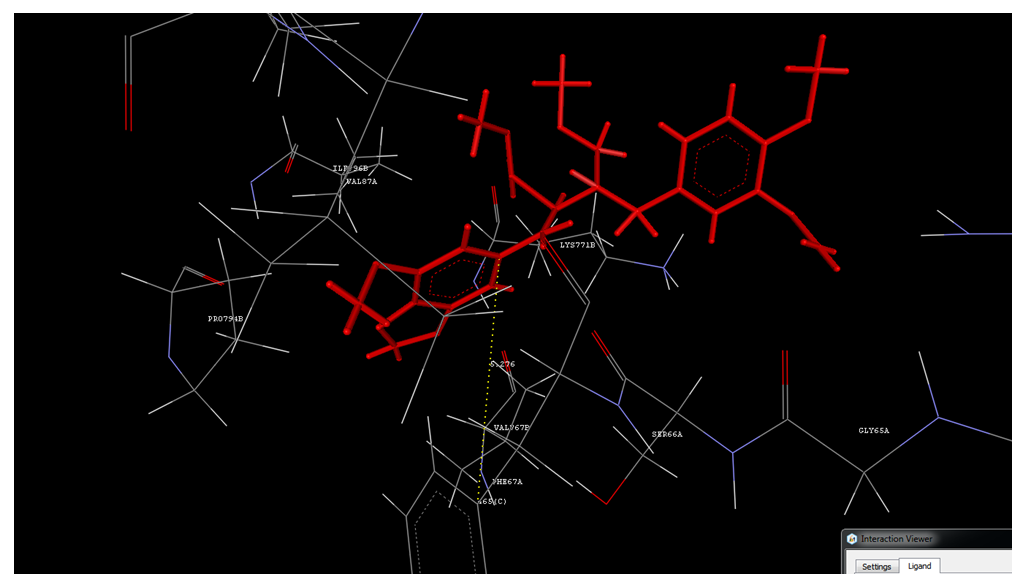
Figure. 12 Niranthin interacted with human tau protein kinase I (1J1B)
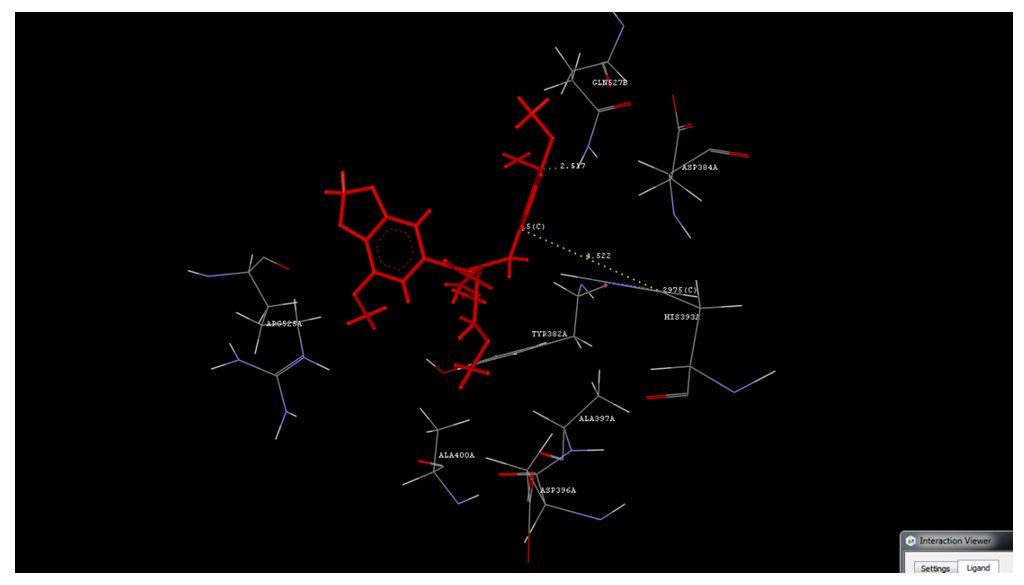
Figure. 13 Niranthin interacted with Crystal structure of mouse acetylcholinesterase in the apo form (1J06)
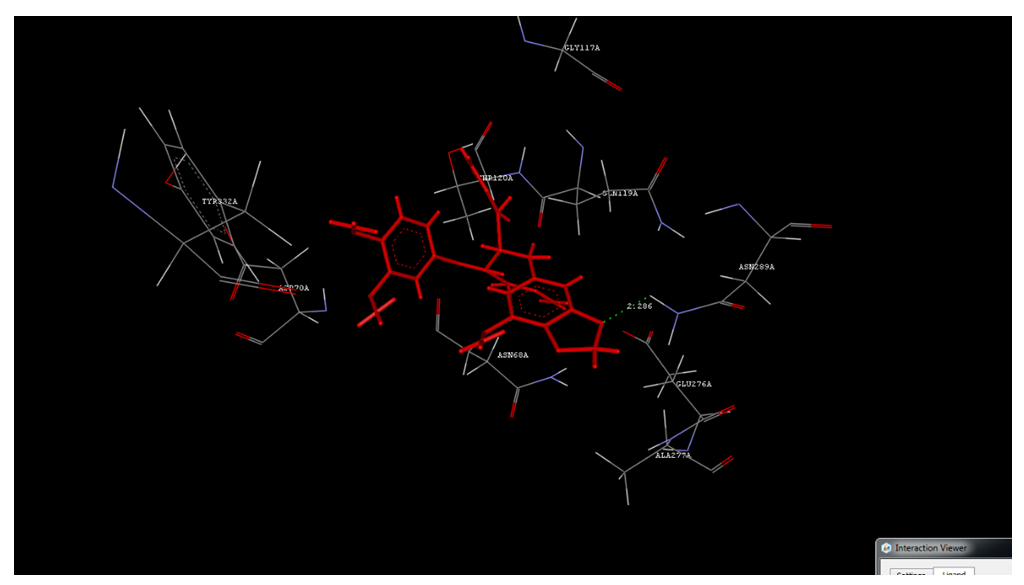
Figure. 14 Niranthin interacted with Crystal structure of human butyryl cholinesterase (1P0I)
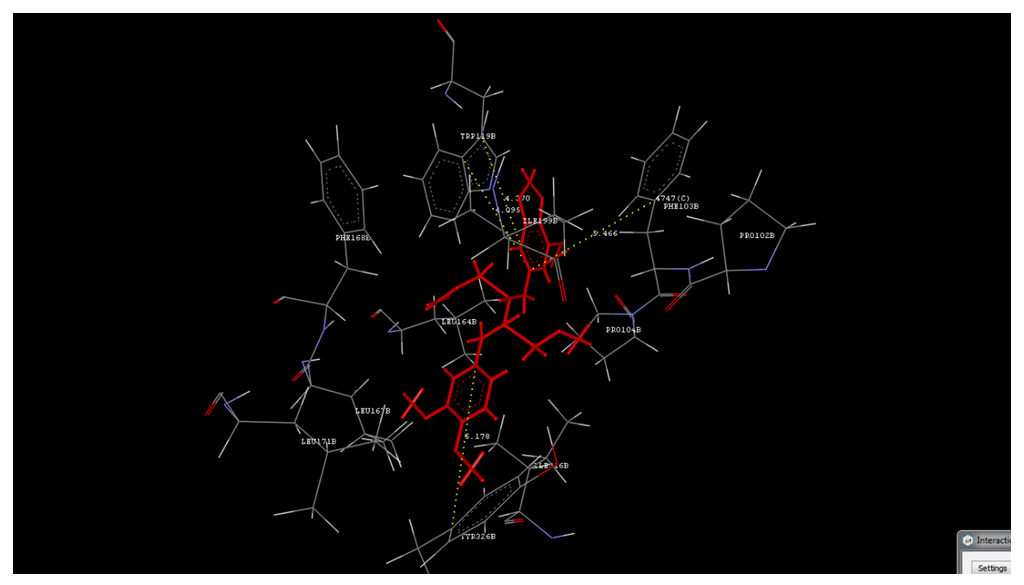
Figure. 15 Niranthin interacted with Human Monoamine Oxidase B (2BYB)
Discussion
This investigation assessed the probable anti-Alzheimer-likeactivity of Niranthin in mice by utilizing exteroceptive and
interoceptive behavioral rodent models viz. MWM test, EPM test, and scopolamine-induced amnesia. The investigational plan supported
by the molecular docking studies helped to suggest path forward. The study was done with an aim to screen the effects of Niranthin
on multiple targets and the promising results of the study are indicative of its potential use in AD management as a preventive
approach or as an adjuvant to the currently used drugs owing to its actions on multiple targets.
4.1 Anti-amnesic, Anti-dementia and Anti-Alzheimer-like activities of Niranthin-
4.1.1 Morris water maze task effects-
Anti-Alzheimer potential of Niranthin was evaluated using Morris water maze test. Scopolamine, via muscarinic receptor blockage,
interferes with cognition and memory of humans and rodents by impairing long-term potentiation of central cholinergic system
(Anandet al., 2012) (Uddinet al., 2019). Application of scopolamine to block muscarinic acetylcholine receptors causing cognitive
deficit is a representative model used to evaluate the anti-dementia activity of Niranthin (Singh et al., 2016). Morris water maze
model has been extensively utilized to investigate the neurological mechanisms underlying spatial navigation to influence special
cognitive processes (Rahnamaet al., 2015). Its well-demonstrated interference in acetylcholine transmission makes scopolamine a
validated tool for screening of bioactive compounds in the management of AD and/or dementia (García-Morales et al., 2015). In
present study the scopolamine (1 mg/kg, i.p) induced interoceptive behavioral rodent model can linked with increased oxidative
stress in mice brain (Uddin 2019). Pre-treatment with Niranthin at doses 5 mg/kg and 10 mg/kg remarkably (P<0.05) reduced the time
required reaching the platform post scopolamine treatment. It improved basal as well as scopolamine-impaired performance with
respect to acquisition and retention of memory. These results signifying possible anti-AD like activity of Niranthin may have been
mediating via cholinergic pathway.
4.1.2 Elevated Plus-Maze task effects-
EPMis a well-established behavioral model used to assess anxiety-related responses and memory retention in rodents, particularly
spatial long-term memory. In the present study, scopolamine administration significantly increased transfer latency (TL),
validating the model for evaluating cognitive impairment.
Treatment with Niranthin resulted in a significant reduction in TL and increased time spent in open arms, indicating improved
memory retention along with anxiolytic and anti-amnesic effects. These effects were observed in a dose-dependent manner and were
comparable to the standard drug, piracetam. Notably, the EPM is also widely used to identify benzodiazepine-like anxiolytic agents,
suggesting a possible involvement of the GABAergic system. This is further supported by emerging evidence linking GABAergic
dysfunction with Alzheimer’s disease pathogenesis.
Additionally, Niranthin demonstrated protective effects in both interoceptive and exteroceptive models of amnesia, including
scopolamine-induced cognitive deficits. The lower dose (5 mg/kg) improved cognitive performance without impairing motor
coordination, whereas the higher dose (10 mg/kg) exhibited mild sedative effects, as indicated by reduced spontaneous activity.
Overall, these findings suggest that Niranthin possesses significant anti-amnesic and anti-Alzheimer-like activity, potentially
mediated through modulation of the GABA-A/benzodiazepine receptor complex. The results highlight its promise as a multi-target
therapeutic candidate for Alzheimer’s disease, warranting further investigation.
The highest dose of Niranthin produced mild sedative effects in a small proportion of animals. Although swimming speed and general
locomotor activity did not indicate significant motor impairment, mild sedation could potentially influence behavioral performance
in cognitive paradigms. Therefore, the improved cognitive performance observed is unlikely to be solely attributable to alterations
in locomotor activity; however, future studies employing dedicated locomotor assessments will further clarify this possibility.
4.2 Molecular docking studies
Molecular docking analysis further supported the anti-amnesic and anti-Alzheimer potential of Niranthin, indicating favorable
hydrogen bonding and hydrophobic interactions with key target proteins, particularly acetylcholinesterase. Lignans are recognized
for their therapeutic potential in improving cognitive impairment associated with Alzheimer’s disease, and Niranthin was evaluated
alongside structurally related lignans, including hypophyllanthin, CID-13989914, and nirtetralin.
Docking interactions were assessed against multiple Alzheimer’s disease-related targets, including acetylcholinesterase
(1EVE, 1J06), butyrylcholinesterase (1P0I), beta-secretase (1FKN), tau protein kinase (1J1B), and monoamine oxidases A (2Z5X) and
B (2BYB). The results, summarized in Table 1, demonstrated strong binding affinity of Niranthin toward these targets, supporting
its potential multi-target mechanism in Alzheimer’s disease management.
Notably, this study provides insights into the inhibitory interaction of Niranthin with human acetylcholinesterase, suggesting its
role in modulating acetylcholine hydrolysis. However, scopolamine-induced models do not replicate key pathological features of
Alzheimer’s disease, such as amyloid-beta deposition and tau pathology. Therefore, further validation using advanced models,
including transgenic or knockout animal models, is warranted to confirm its therapeutic potential.
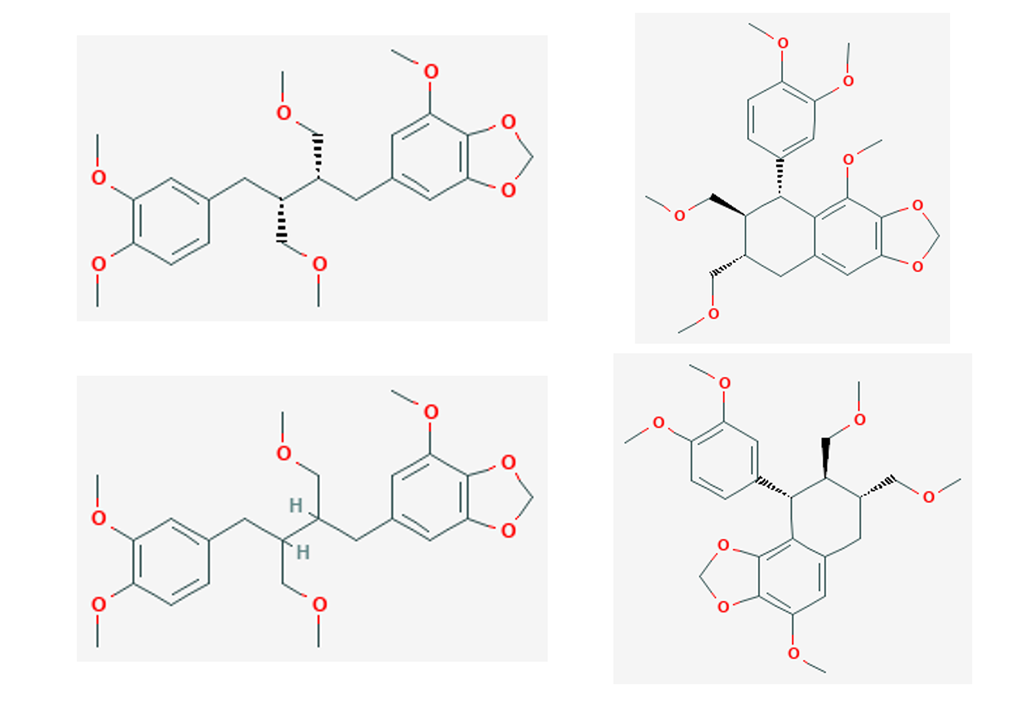
Figure. 17 Molecular structures Niranthin and structurally similar lignans.
Table 1. Summarized details of molecular docking interactions of Niranthin and similar molecular lignans.
| Protein Target characteristics and PDB ID | Molecule Name | Types of interaction | Types of interaction | Docking Score |
|---|---|---|---|---|
| Protein Target characteristics and PDB ID | Molecule Name | Hydrogen Bond | Aromatic | Docking Score |
| Crystal structure of mouse acetylcholinesterase. PDB id- 1JO6 | CID 13989914 | GLN527 | TYR382 | -58.86 |
| Crystal structure of mouse acetylcholinesterase. PDB id- 1JO6 | Hypophyllanthin | HIS381 | HIS393 | -41.83 |
| Crystal structure of mouse acetylcholinesterase. PDB id- 1JO6 | Niranthin | - | HIS393 | -61.94 |
| Crystal structure of mouse acetylcholinesterase. PDB id- 1JO6 | Nirtetralin | GLN527 | HIS381 TYR382 | -53.95 |
| Crystal structure of human butyryl cholinesterase. PDB id- 1-P0I | CID 13989914 | GLN71 | -- | -78.75 |
| Crystal structure of human butyryl cholinesterase. PDB id- 1-P0I | Hypophyllanthin | GLN71 | TYR332 | -63.44 |
| Crystal structure of human butyryl cholinesterase. PDB id- 1-P0I | Niranthin | ASN289 | -- | -70.24 |
| Crystal structure of human butyryl cholinesterase. PDB id- 1-P0I | Nirtetralin | GLN71 | -- | -55.83 |
| Human Monoamine Oxidase B. PDB id- 2BYB | CID 13989914 | -- | PHE103 TRP119 | -42.52 |
| Human Monoamine Oxidase B. PDB id- 2BYB | Hypophyllanthin | -- | TRP119 TYR326 | 180 |
| Human Monoamine Oxidase B. PDB id- 2BYB | Niranthin | -- | PHE103 TRP119 TYR326 | -51.52 |
| Human Monoamine Oxidase B. PDB id- 2BYB | Nirtetralin | -- | TRP119 | 157 |
| Three dimensional structure of acetylcholinesterase. PDB id- 1-EVE | CID 13989914 | PHE288 | TYR334 | -90.17 |
| Three dimensional structure of acetylcholinesterase. PDB id- 1-EVE | Hypophyllanthin | ARG289 TRP279 | TYR334 | -32.68 |
| Three dimensional structure of acetylcholinesterase. PDB id- 1-EVE | Niranthin | TYR334 | TRP279 TYR334 | -83.39 |
| Three dimensional structure of acetylcholinesterase. PDB id- 1-EVE | Nirtetralin | TYR121 | PHE331 | -38.61 |
| 1FKN Beta-Secretase. PDB id- 1FKN | CID 13989914 | ARG235 | PHE7 | -61.23 |
| 1FKN Beta-Secretase. PDB id- 1FKN | Hypophyllanthin | ARG235 | -- | -40.16 |
| 1FKN Beta-Secretase. PDB id- 1FKN | Niranthin | ARG235 | -- | -43.78 |
| 1FKN Beta-Secretase. PDB id- 1FKN | Nirtetralin | ARG235 | PHE331 | -38.74 |
| Human tau protein kinase I. PDB id- 1J1B | CID 13989914 | ASN64 | -- | -18.59 |
| Human tau protein kinase I. PDB id- 1J1B | Hypophyllanthin | -- | PHE67 PHE793 | 21.42 |
| Human tau protein kinase I. PDB id- 1J1B | Niranthin | -- | PHE67 | -52.85 |
| Human tau protein kinase I. PDB id- 1J1B | Nirtetralin | LYS797 | -- | 0.44 |
4.3 INSILICO ADME PREDICTION
In silico ADME prediction predicted by the (Daina et al., 2019;Daina,et al., 2014; Daina, et al., 2016;). The Niranthin showed
acceptable ADME property. Niranthin also showed BBB permeability, which is a desirable for anti-Alzheimer potential. The ADME
prediction is summarized table 2.
Classically the polar surface area of a molecule been used to predict pharmaceutical transport properties of new molecules in
the body. Historically, this property has been calculated using time-consuming 3D techniques (Daina, 2014; Daina, 2016).
However, Chem & Bio Draw 12.0 software implements, a more innovative algorithm and has provided a remarkably accurate way of
predicting these very rapidly and accurately.
The physicochemical data of Niranthin wasgenerated by CS ChemProp feature of the ChemBioDraw Ultra 12.0 software. It has helped
us to calculate predicted values of selected physical and thermodynamic properties for the molecular structure of Niranthin.
The summarized physicochemical properties of Niranthin tabulated in table 3.
Table 2. In Silico ADME predictions of Niranthin by http://www.swissadme.ch/.
| Molecule | MW | #Rotatable bonds | #H-bond acceptors | #H-bond donors | TPSA | XLOGP3 | GI absorption | BBB permeant |
|---|---|---|---|---|---|---|---|---|
| Niranthin | 432.51 | 12 | 7 | 0 | 64.61 | 4.08 | High | Yes |
Niranthin 432.51 12 7 0 64.61 4.08 High Yes Niranthin also showed BBB permeability which is a desirable for anti-Alzheimer potential.
Table 3. Summarized details of physicochemical properties of Niranthin
| Parameters | Nirtetralin |
|---|---|
| Chemical name | 6-((2S,3S)-3-(3,4-dimethoxybenzyl)-4-methoxy-2-(methoxymethyl)butyl)-4-methoxybenzo[d][1,3]dioxole |
| Chemical Formula | C24H32O7 |
| Exact Mass | 432.21 |
| Molecular Weight | 432.51 |
| m/z: | 432.21 (100.0%), 433.22 (26.6%), 434.22 (4.8%) |
| Elemental Analysis | C, 6.65; H, 7.46; O, 25.89 |
| Boiling Point [K] | 1003.51 |
| Melting Point [K] | 631.65 |
| Critical Temp [K] | 938.26 |
| Critical Pres [Bar] | 12.23 |
| Critical Vol [cm3/mol] | 1241.5 |
| Gibbs Energy [kJ/mol] | -305.79 |
| Log P | 3.9 |
| MR [cm3/mol] | 121 |
| Henry's Law | 11.57 |
| Heat of Form [kJ/mol] | -965.5 |
| tPSA | 64.61 |
| CLogP | 3.5171 |
| CMR | 11.6597 |
4.4 Modulatory role of Niranthin in Cholinergic pathway
Alzheimer's disease (AD) is a neurodegenerative condition characterized by increased accumulation of Aβ and degeneration of
cholinergic signaling between basal forebrain and hippocampus. Decrease of ACh level in brain is responsible primarily for impaired
cognition of AD (Haake et al., 2020). AChE terminates the cholinergic transmission by hydrolyzing ACh, and ChAT is a synthesizing
enzyme of ACh in the cholinergic neurons (Ballard et al., 2005). Therefore, inhibiting AChE is supposed to compensate for the
reduced level of ACh in brain. Administration of Niranthin not only reversed the cholinergic effects due to scopolamine injection,
which resulted in the increase of ACh in mice brain. Thus, our study demonstrates the anti-amnesic effect of Niranthin on
scopolamine-induced memory impairment, which may be associated with modification of the cholinergic transmission.
Previous studies have shown that synaptic ACh concentrations in striatal cholinergic neurons are regulated in a complex manner by
many factors such as release probability, pre-synaptic M2 /M3 /M4 mAChRs, AChE and post-synaptic ACh uptake, and provides important
information about cholinergic neurotransmission for future exploration of therapeutic strategies for Alzheimer's and other central
nervous system diseases (Muramatsu et al., 2019).The first line pharmacotherapy being used for the symptomatic treatment of AD and
slowing AD progression include the acetylcholinesterase (AChE) inhibitors (tacrine, donepezil, galantamine and rivastigmine) which
are capable of effectively elevating the attenuated Ach concentrations in the affected brain by reducing the ACh breakdown
(Hoskinet al., 2019.). The present findings collectively suggest that Niranthin improves cholinergic neurotransmission through
inhibition of acetylcholinesterase activity, resulting in enhanced acetylcholine availability and improved cognitive performance.
Together with its antioxidant and anti-inflammatory properties, these mechanisms likely contribute synergistically to its
neuroprotective effects.
4.5 Gabanergic mechanisms of niranthin
Recent preclinical and clinical reports exhibit a surge in interest in the role of GABAergic neurotransmission in the pathogenesis
of AD (Li et al., 2016). As targeting amyloidosis, tau phosphorylation, glutamate, oxidative stress and mitochondrial metabolism
have not yet led to the development of drugs to cure Alzheimer’s disease (Amtul et al., 2016). The interaction among GABAergic
signaling, Aβ and acetylcholine is shown to affect the homeostasis between excitation (glutamate) and inhibition (GABA) in the brain
(Giovannetti et al., 2019). Several preclinical interventional studies revealed that targeting various GABA receptor subtypes holds
potential in overcoming the memory deficits associated with AD (Nava-Mesa et al., 2014). The recent scientific literature suggests
that GABAergic signaling presents it as a promising target for anti-AD drug development as several preclinical and clinical reports
have revealed altered metabolism of the GABAergic neurons in AD (Villette et al., 2017).
The possible involvement of GABA-A receptors is supported by reversal of Niranthin's effects following flumazenil administration
together with favorable molecular docking interactions. Nevertheless, these findings provide indirect pharmacological evidence only.
Direct receptor binding studies, electrophysiological recordings, and additional mechanistic investigations are required to confirm
modulation of GABA-A receptor function. It is noteworthy to mention that Niranthin was observed as deeply embedded in the allosteric
site surrounded by highly electronegative residues and forms hydrogen bonding; having docking score of -62.1714 see figure 18 .
Docking study additionally demonstrates that Niranthin possesses most prominent activity against GABA receptors as compared to
standard drug Diazepam. In silico boiled egg models clearly demonstrated the passing of nirathin via BBB barrier (Chopade et al.,
2020).
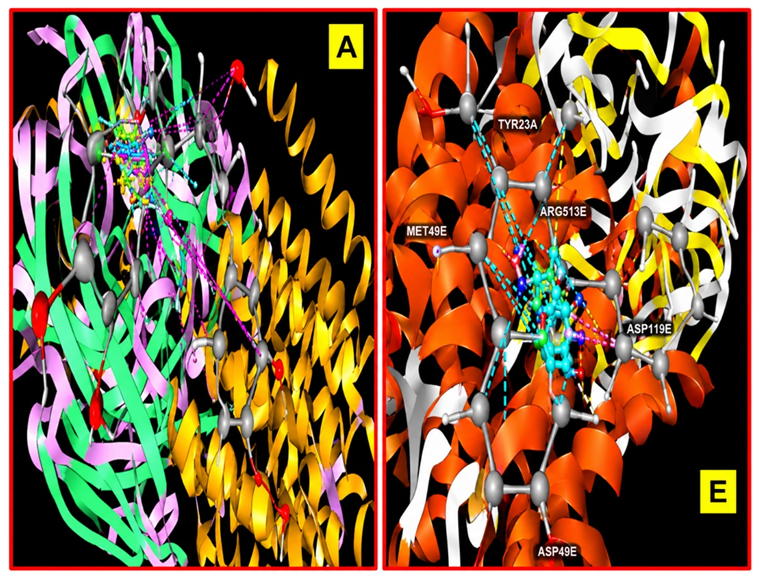
Figure. 16 Molecular Docking interactions of Diazepam (A)and Niranthin (B) with Crystal structure of a human gamma-aminobutyric acid receptor, the GABA (A) R-beta3 homopentamer receptor. (PDB Code: 3COF)
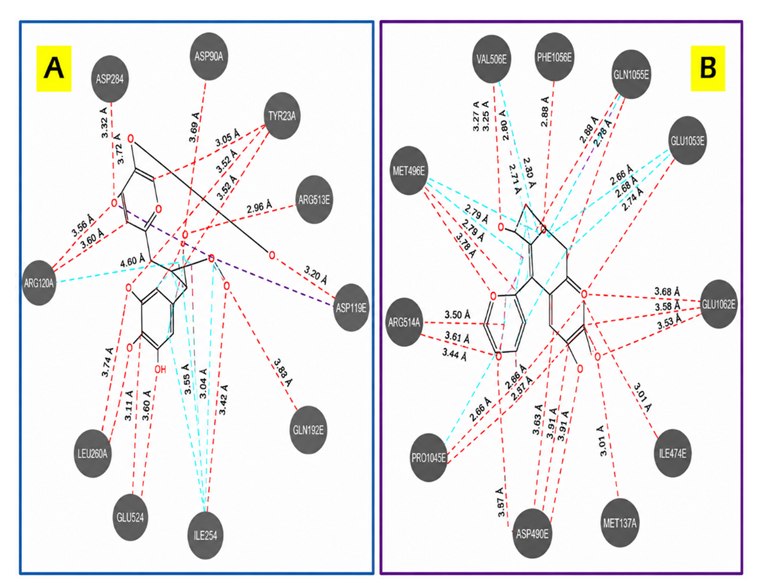
Figure. 17 Two dimensional Molecular interactions of Diazepam (A)and Niranthin (B) with Crystal structure of a human gamma-aminobutyric acid receptor, the GABA (A) R-beta3 homopentamer receptor. (PDB Code: 3COF)
Conclusion
The present study demonstrates that Niranthin significantly ameliorates scopolamine-induced cognitive impairment through multiple
mechanisms including enhancement of cholinergic neurotransmission, attenuation of oxidative stress, modulation of neuroinflammation,
and favorable interactions with several Alzheimer's disease-related molecular targets. However, the scopolamine model primarily
represents reversible cognitive impairment rather than the complete pathology of Alzheimer's disease. Consequently, further studies
involving transgenic Alzheimer's disease models, pharmacokinetic profiling, chronic toxicity evaluation, receptor-binding experiments,
and long-term disease-modifying assessments are warranted to establish its therapeutic potential.
Materials And Methods
2.1 Animals used
Swiss albino mice of either sex were used in the present study. Young mice 2-3 months old, weighing approximately 20 grams and aged
mice 12-15 month old mice, weighing approximately 30 g were utilized. Mice were groupedas 6/cage and housed in the standard
laboratory conditions of light (12hours each ofdark and light cycles) and temperature. Food and water provided ad libitum. The
experiments were carried outduring the timeframe of 9am to 3pm. Animals were fasted (with free access to water) for 12 hours before
the set of experimental trials. The acclimatization of mice to the lab environment was ensured (i.e., housed for at least 10 days
prior to first set of trials). Six mice were utilized per group for each set of trials, males and females in 1:1 ratio.Animals were
randomly allocated into the experimental groups using a c randomization schedule. Investigators performing behavioral assessments
and biochemical analyses were blinded to treatment allocation throughout the study to minimize observer bias. Sample size was
determined based on previous pharmacological studies employing similar behavioral and biochemical endpoints. Group sizes were
selected to provide adequate statistical power while minimizing animal use in accordance with CPCSEA guidelines.
The experimental protocols were developed as per the ethical principles/ guidelines and are approved by institutional animal ethical
committee (constituted for the purpose of control and supervision of experimental animals by ministry of Environmental and Forests,
Government of India, New Delhi) and were followed during the conduct per the guidance stated above. The approved protocol numbers
were RCP/18-19/P-19.
2.2 Chemical agents.
The Niranthin [6-[(2R,3R)-3-[(3,4-dimethoxyphenyl)methyl]-4-methoxy-2-(methoxymethyl)butyl]-4-methoxy-1,3-benzodioxole]
purchased(Product code : N006, Lot. no. : T18C277) from Natural Remedies Pvt. Ltd., Bangalore.Purity of Niranthin was determined by
the manufacturer by HPLC area normalization and was certified above 95.0%. Dimethylsulphoxide (DMSO), sodium chloride (NaCl),
potassium bromide (KBr) allfrom Loba chemicals), and Scopolamine (Sco) of Alcon Inc were used in this investigation. Flumazenil (FLU)
of Neon Laboratories Ltd, Mumbai was used in the present study.
2.3 Assessment of cognitive functions using Morris Water Maze test (Pereira & Burwell et al., 2015; Gallagher et al., 2015):
The Morris Water Maze (MWM) is a widely accepted behavioral model for evaluating spatial learning and memory. It assesses the
ability of compounds to improve cognitive deficits, particularly those induced by scopolamine, and is commonly used in studies of
dementia and Alzheimer’s disease.
The apparatus consisted of a circular water tank filled with opaque water maintained at 26 ± 1 °C. A submerged platform was placed in
the target quadrant, allowing animals to escape from the water. Mice were trained to locate the hidden platform using spatial cues,
and escape latency (EL) was recorded as a measure of learning and memory. Each animal underwent four trials per day, with a maximum
duration of 90 seconds per trial, and was allowed to rest on the platform for 20 seconds after successful completion.
Piracetam (200 mg/kg, i.p.) was used as the standard drug, while Niranthin was administered at doses of 5 and 10 mg/kg (i.p.).
Treatment was given 30 minutes prior to training and continued for four days. On the fourth day, scopolamine (1 mg/kg, i.p.) was
administered to induce amnesia, followed by Niranthin treatment. Spatial memory was assessed over five days, including a retention
trial on day five to evaluate the reversal of scopolamine-induced cognitive impairment.During all acquisition and retention trials,
the hidden platform remained in a fixed location for each animal throughout the experiment. Swimming speed was also monitored during
testing to exclude possible locomotor impairment or motor deficits that might influence escape latency independently of cognitive
performance.
2.4 Assessment of anti-Alzheimer activity in young versus aged mice using Elevated plus maze apparatus and with scopolamine-induced amnesia
(Pellow et al., 1985. Cruz et al., 1994, Rahnama et al., 2015):
Both young and aged mice utilized in this behavioral model. Niranthin (two doses, i.e. 05 and 10 mg/kg) administered intraperitoneally
for eight consecutive days to mice of both age groups (i.e. aged and young). On eighth day, scopolamine 1 mg/kg, was given
intraperitoneally post 60 minutes of the last dose of Niranthin to induce amnesia in young mice. Post 45 minutes of scopolamine
treatment, animals permitted to the training session on elevated plus maze (EPM) apparatus. The transfer latency (TL), i.e., movement
from open arm into any one of the closed arms of EPM apparatus recorded. The TLs recoded on eighth day presented as results of
acquisition trail. On the ninth day (i.e. after 24 hours) the mice were assessed again on EPM to record retention of memory
(Retention trail).
Piracetam (200 mg/kg, i.p.) was used as reference standard and was injected for 8 consecutive days and procedures outlined in the
above paragraph are followed. Similarly, animals in the control group received normal saline for 8 consecutive days.
The EPM apparatus as described by Pellow et al., and for mice as specified by Lister was utilized in this study. The EPM test
apparatus comprised of enclosed arms sized 37X5X12 cm and open arms sized 37X5 cm and a 12 cm high wall linked to 2 closed and 2 open
arms, and the wall is placed so that the alike arms were opposite to each other and all four arms are linked to each other by a 5X5
cm of central square. The wooden apparatus was elevated to a height of 25 cm above the floor. Each mouse placed individually in the
central square with head pointing towards open arm and TL recorded for 5 minutes. Each mouse was utilized only once and every test was
conducted during scheduled time, i.e., per time and other conditions specified above in Section 2.1. After each test carried out, the
EPM apparatus was cleaned using hydrogen peroxide. The rationale behind utilizing EPM apparatus included the fear-provoking nature of
the open arms and feeling of relative safety towards closed arms and assessing the retention of memory of animals to prefer closed
arms over open arms. The EPM test is a widely utilized behavioral animal model for assessing memory and learning in rodents.
2.5 Assessment of motor coordination (Chopade et al., 2020)
The complex system of motor coordination involve specific pattern of walking, balancing, and strength of muscle. It is
well-established fact that sedatives (such as benzodiazepines, barbiturates, etc.) and other molecules/drugs that interfere with
balancing or ambulatory activities or that weaken muscles have demonstrated impaired performance in the tests conducted using
Rota-rod apparatus. Hence, Rota-rod apparatus is used popularly to estimate potential impact of test drugs on the motor coordination
of rodents. The Rota-rod apparatus (model - K19616-2 Inco, Ambala) comprised of a central bar (with a constant speed of 22 rpm)
subdivided into 3 compartments by disks. A day (24 hours) before actual testing, mice selected. The animals that failed to remain on
the central bar for a period of 150 seconds in two consecutive trials excluded. Selected mice treated with Niranthin in two doses,
i.e. 05 and 10 mg/kg or standard drug (Diazepam 2mg/kg) or vehicle as per the group and tests carried out 30 minutes post treatment.
The outcome measure included the time for which mice remained on the revolving bar. The cut-off time for each test was 150 seconds.
2.6- Estimation of Acetylcholine [ACh] Levels in Brain by Quantifying Cholinesterase Inhibition (García-Morales et al., 2015)-
After the completion of Morris Water maze test, mouse from each group was sacrificed by cervical dislocation. The whole brain
immediately removed and chilled in ice-cold phosphate buffer. After washing in ice-cold phosphate buffer it was homogenized in 5 ml
of phosphate buffer in Glass Teflon homogenizer. The brain homogenate then evaluated for enzyme activity.
2.6.1 Standard Curve of ACh:
Aliquots of 0, 0.1, 0.2, 0.4, 0.6, 0.8, 1.0 ml of ACh in buffer added to different test tubes. Phosphate buffer added to each tube to
give a volume of 1 ml. 2ml of Alkali added to each tube by shaking vigorously. After not less than a minute, 1 ml of HCL solution
(pH of 1.2± 0.2) and 1 ml of FeCl3 solution added. The absorbance of the color in each tube read at 540 nm. The control tube
(with 0 ml of Ach) used to adjust the zero reading of the instrument. Plot of milimoles of Ach vs. absorbance obtained.
2.6.2. Determination of Cholinesterase Inhibition-
Three types of test tubes were prepared: Tube 1: served as control that contained 1 ml of buffer (instead of ACh solution) and other
reagents. Tube 2: served as sample or S that contained 1 ml of ACh solution, 0.1 ml of homogenate and was kept for incubation at
37°C ± 1°C for 1hr. Tube 3: served as STD or S60 that contained 1 ml of ACh solution and 0.1 ml of homogenate was added after the
addition of Alk hyd which itself was added after incubation at 37 ºC±1ºC for 1 hr. After the incubation period, 2ml of Alk hyd was
added by shaking vigorously to tubes 1and 2. After not less than a minute, 1 ml of HCL solution (pH of 1.2 ± 0.2) and 1 ml of FeCl3
added to all three test tubes. The resultant mixtures centrifuged and the absorbance of the supernatant read at 540 nm. Note: S60
used to correct the determination of non-enzymatic hydrolysis of ACh since the homogenate added after incubation. The control tube
(with 1 ml of buffer) used to adjust the zero of the instrument.
2.7 Assessment of involvement of GABA receptor (Chopade et al., 2020):
Flumazenil (FLU), a benzodiazepine antagonist, was used in experimental procedures to evaluate if this receptor could be involved in
the effects produced by Niranthin (5 and 10 mg/kg). In a small group of mice (4 mice per treatment group), Flumazenil (FLU) at a dose
of 2.5 mg/kg was given along with the test groups and the standard Diazepam (DZP) group to evaluate the effects utilizing EPM model
apparatus per procedures given above (Sections XX).
2.8 Docking Methodology (Chopade et al., 2015):
2.8.1 Ligand Preparation (Krygeret al., 1999; Bourneet al., 2003; Nicoletet al., 2003; Honget al., 2000; Aokiet al.,
2004; Sonet al., 2008):
Identification of the possible mode of action of the Niranthin for the anti-Alzheimer potential docking simulations was performed
with the crystal structure of acetylcholinesterase complexed with anti-Alzheimer drug E2020 (1EVE), Structure of Beta-Secretase
complexed with Inhibitor (1FKN), Binary complex structure of human tau protein kinase I with AMPPNP(1J1B), (), (), Human Monoamine
Oxidase B in complex with Deprenyl (2BYB), (), (). Crystal structures of all these selected targets were downloaded from free
protein database www.rcsb.org. The protein structure was refined in the biopredicta module via removal of water molecule and
restoring native hydrogen. Niranthin structure was downloaded from the in sdf format and developed in the Vlife engine and optimized
via application of the MMFF. The ADME properties like hydrogen bond donor, hydrogen bond acceptor, molecular weight, log p, GI
absorption and BBB permeability of the Niranthin was predicted using (Dainaet al., 2019; Dainaet al., 2014; Dainaet al., 2016).
Docking validation was performed by redocking the native ligand into the receptor binding pocket, yielding RMSD values below 2.0 Å,
thereby confirming the reliability and accuracy of the docking protocol.
Statistical Analysis
Statistical analyses were performed using GraphPad Prism version 10.0 (GraphPad Software Inc., San Diego, CA, USA). Data are
expressed as mean ± SEM. Normality of data distribution was assessed using the Shapiro–Wilk test prior to parametric analysis.
Comparisons among multiple groups were performed using one-way analysis of variance (ANOVA) followed by Dunnett's multiple
comparison test. Exact p-values were reported whenever appropriate, while values of P < 0.05 were considered statistically
significant.
References
- A.Alagan, I.Jantan,E.Kumolosasi, S.Ogawa, M.A.Abdullah, N. Azmi, Front Pharmacol. 4,10,632 (2019)
- Z. Amtul, Ageing Res Rev. 25,70-84 (2016)
- A.Anand,A. Banik,K.Thakur,C.L. Masters, Curr Alzheimer Res. 9(9), 1010-1029 (2012)
- M.Aoki,T.Yokota, I. Sugiura, C.Sasaki,T. Hasegawa,C. Okumura,K. Ishiguro, T.Kohno, S.Sugio,T. Matsuzaki, Acta Crystallogr D Biol Crystallogr. 60, 439-446 (2004)
- C.Ballard,S. Gauthier,A. Corbett,C. Brayne, D.Aarsland,E. Jones, Lancet. 377, 1019-31 (2011)
- S.V.Biedermann, D.G.Biedermann, F.Wenzlaff, T.Kurjak,S. Nouri,M.K. Auer, et al., BMC Biol. 21, 15(1), 125 (2017)
- Y.Bourne, P.Taylor, Z.Radic, P.Marchot, EMBO J. 22(1), 1-12 (2003)
- M.D.Brot, Y.Akwa,R.H. Purdy, G.F.Koob, K.T.Britton, Eur J Pharmacol. 23, 325(1), 1-7 (1997)
- J.B.Calixto, A.R.S.Santos, V.Cechinel-Filho, R.A.Yunes, Medicinal Research Review. 18, 225–258 (1998)
- A.R.Chopade, F.J.Sayyad,Phytotherapy Research. 29(8), 1202–1210 (2015)
- A.R.Chopade, F.J.Sayyad,Y.V.Pore, Scientia Pharmaceutica. 83, 243–267 (2015)
- A.R.Chopade, R.P.Pol, P.A.Patil, V.R.Dharanguttikar, N.S.Naikwade, R.J.Dias, S.N.Mali,Comb Chem High Throughput Screen. (2020) doi: 10.2174/1386207323666200605150915. Online ahead of print.
- S.Chowdhury, T.Mukherjee,R. Mukhopadhyay, B.Mukherjee, S.Sengupta, S.Chattopadhyay,P. Jaisankar, S.Roy, H.K.Majumder, EMBO Mol Med. 4(10),1126-1143 (2012)
- A.P.Cruz, F.Frei, F.G.Graeff, Pharmacol Biochem Behav. 49(1), 171-176 (1994)
- A.Daina, O.Michielin, V. Zoete, J Chem Inf Model. 54(12), 3284-3301 (2014)
- A.Daina, V.Zoete, Chem Med Chem. 11(11), 1117-1121 (2016)
- A.Daina, O.Michielin, V.Zoete, Nucleic Acids Res. 47(W1), W357-W364 (2019)
- E.Esfandiari, M.Ghanadian, B.Rashidi, A.Mokhtarian, A.M.Vatankhah, Int J Prev Med. 9, 85 (2018)
- M.Gallagher, R.Burwell, M.Burchinal, Behav Neurosci. 129(4), 540-548 (2015)
- G.García-Morales, M.Huerta-Reyes, M.González-Cortazar, A.Zamilpa, E.Jiménez-Ferrer, R.Silva-García, R.Román-Ramos, A.Aguilar-Rojas, Arch Pharm Res. 38(7), 1369-1379 (2015)
- E.A.Giovannetti, M.Fuhrmann, Brain Res. 1707, 216-226 (2019)
- A.Haake, K.Nguyen, L.Friedman, B.Chakkamparambil, G.T.Grossberg, Expert Opin Drug Saf. 19(2), 147-157 (2020)
- H.Harikrishnan, I.Jantan, M.A. Haque,E. Kumolosasi, Inflammation. 41(3), 984-995 (2018)
- W.J.Hashmi, H.Ismail, F.Mehmood, B.Mirza, Daru. 26(2), 179–190 (2018)
- L.Hong, G.Koelsch, X.Lin, S.Wu, S.Terzyan, A.K.Ghosh, X.C.Zhang, J.Tang, Science. 290, 150-153 (2000)
- J.L.Hoskin, Y. Al-Hasan, M.N.Sabbagh, Nicotine Tob Res. 21(3), 370–376 (2019).
- L.D.Kapoor, Handbook of ayurvedic medicinal plant. CRC press, 261-262 (2005)
- C.A.L.Kassuya, A.Silvestre, O.Menezes-de-Lima Jr., D.M.Marotta, V.L.G.Rehder, J.B.Calixto, Eur J Pharmacol. 546(1-3), 182-188 (2006)
- B.J.Kelley, D.S.Knopman, Neurologist. 14,299–306 (2008)
- K.R.Kirtikar, B.D.Basu, Indian medicinal plants, Volume – III, 2nd edition, International book distributors, Dehradun pp. 2223-2225 (2005).
- J.E.Kim, A.C.Shrestha, H.S.Kim, H.N.Ham, J.H.Kim, Y.J.Kim, et al., Evid Based Complement Alternat Med. 5160293 (2019)
- G.Kryger, I.Silman, J.L.Sussman, Structure. 7, 297-307 (1999)
- Y.Li, H.Sun, Z.Chen, H.Xu, G.Bu, H.Zheng, Front Aging Neurosci. 8, 31 (2016)
- R.G.Lister, Psychopharmacology. 92(2), 180-185 (1987)
- S.Liu, W.Wei, K.Shi, X.Cao, M.Zhou, Z.Liu, J Ethnopharmacol. 155(2),1061-1067 (2014)
- B.V.Manyam, J Altern Complement Med. 5, 81–88 (1999)
- X.Mao, L.F.Wu, H.L.Guo, W.J.Chen, Y.P.Cui, Q.Qi, S.Li, W.Y.Liang, G.H.Yang, Y.Y.Shao, D.Zhu, G.M.She, Y.You, L.Z.Zhang, EvidenceBased Complementary and Alternative Medicine. 2016, 7584952 (2016)
- S.Mondragón-Rodríguez,G. Basurto-Islas, H.G.Lee, G.Perry, X.Zhu, R.J.Castellani, M.A.Smith, Expert Rev Neurother. 10(5), 683-691 (2010)
- I.Muramatsu, J.Uwada,H. Yoshiki,K. Sada,K.S. Lee,T. Yazawa,T. Taniguchi, M.Nishio,T. Ishibashi, T.Masuoka, Drugs. 149(5), 605-623 (2019)
- A.K.Nadkarni, Indian material medica, volume – 1, 3rd edition, Popular prakhashan, Mumbai, 947-949 (2005).
- M.O.Nava-Mesa,L. Jiménez-Díaz,J. Yajeya,J.D. Navarro-Lopez, Front Cell Neurosci. 8,167 (2014).
- Y.Nicolet,O. Lockridge, P.Masson,J.C. Fontecilla-Camps,F. Nachon, J Biol Chem. 278, 41141-41147 (2003).
- M.Nimgampalle,Y. Kuna, J Clin Diagn Res. 11(8), KC01-KC05 (2017).
- J.R.Patel, P.Tripathi,V. Sharma, N.S.Chauhan,V.K. Dixit, J Ethnopharmacol. 138, 286–313 (2011).
- S.Pellow,P. Chopin, S.E.File,M. Briley, J Neurosci Methods. 14(3), 149-167 (1985).
- S.Rahnama, Z.Rabiei,Z. Alibabaei,S. Mokhtari, M.Rafieian-Kopaei,F. Deris, Neurol Sci. 36(4), 553-560 (2015).
- R.V. Rao,O. Descamps,J. Varghese,E.B.Dale, Alzheimer’s Res Ther. 4, 22 (2012).
- A.Rezvani-Kamran, I.Salehi,S. Shahidi,M. Zarei, S.Moradkhani,A. Komaki, Pharm Biol. 55(1), 2065-2073 (2017).
- P.Scheltens, K.Blennow,M.M. Breteler,B. de Strooper,G.B. Frisoni, S.Salloway,W.M. Van der Flier, Lancet. 388(10043), 505-517 (2016).
- V.Singh,A. Kahol,I.P. Singh,I. Saraf,R. Shri, J Ethnopharmacol. 193, 490-499 (2016).
- S.Y.Son, J.Ma,Y. Kondou,M. Yoshimura, E.Yamashita, T.Tsukihara, Proc Natl Acad Sci USA. 105, 5739-5744 (2008).
- P.I.Tomás,R.D. Burwell, Behav Neurosci. 129(4), 533-539 (2015).
- M.S.Uddin, A.Al Mamun, M.T.Kabir, M.Jakaria, B.Mathew,G.E. Barreto, G.M.Ashraf, Mol Neurobiol. 56(7), 4925-4944 (2019).
- V.Villette,P. Dutar, Curr Alzheimer Res. 14(1), 30-39 (2017).
- C.V.Vorhees, M.T. Williams, Nat Protoc. 1(2), 848-858 (2006).
- M.Wei, Y.Liu, Z.Pi, S.Li,M. Hu,Y. He, et al., Molecules. 24(7), 1203 (2019).
- P.Zhang, Y.Kishimoto, I.Grammatikakis,K. Gottimukkala, R.G.Cutler, S.Zhang, et al., Nat Neurosci. 22(5), 719–728 (2019).
- Chopade, A.R., Somade, P.M., Somade, P.P. et al. Identification of Anxiolytic Potential of Niranthin: In-vivo and Computational Investigations. Nat. Prod. Bioprospect. 11, 223–233 (2021). https://doi.org/10.1007/s13659-020-00284-8.
Supplementary Data
Figure 1. H1NMR Chemical shifts for Niranthin obtained in ppm.
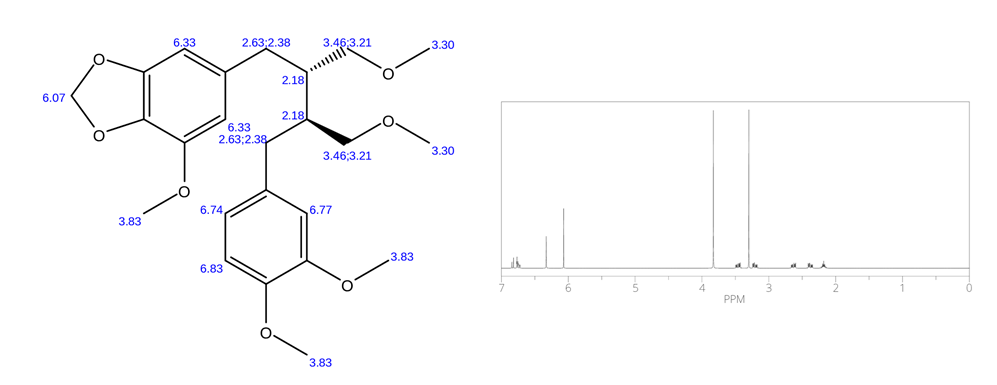
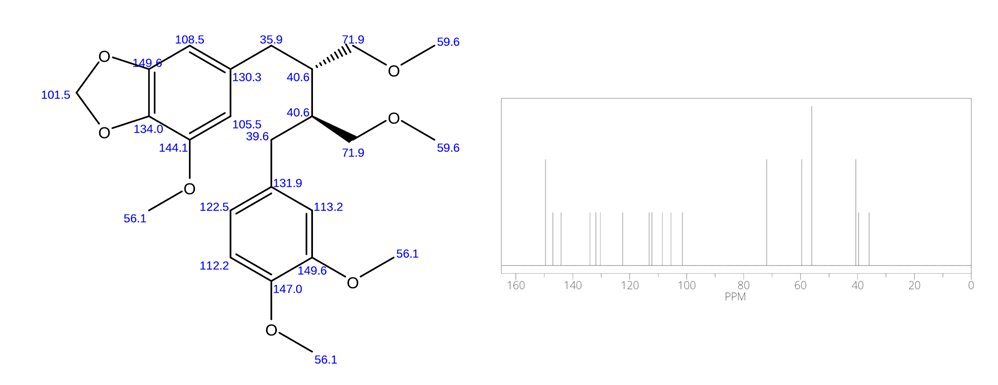
Figure 2. C13 NMR Chemical shifts for Niranthin obtained in ppm