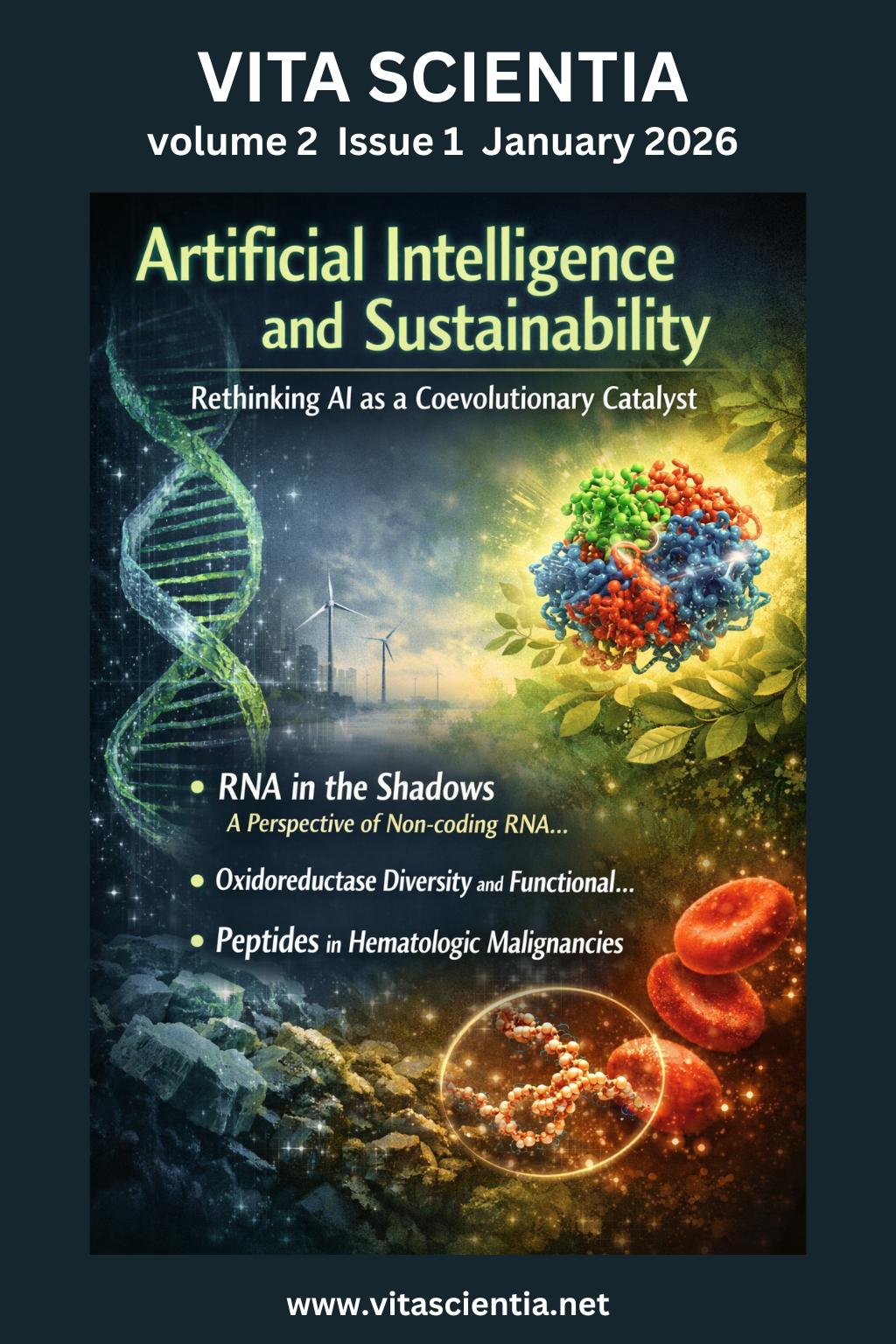
For decades, Artificial Intelligence (AI) was cast as a background tool—an efficient processor of data, a passive observer
assisting scientists in making sense of complexity [1]. Sustainability, by contrast, was championed as a fundamentally human
pursuit, tied to ethical choices and political will. Yet this dichotomy is now dissolving.
Authors:Astik Mishra,
Upasana Mohapatra Published on:
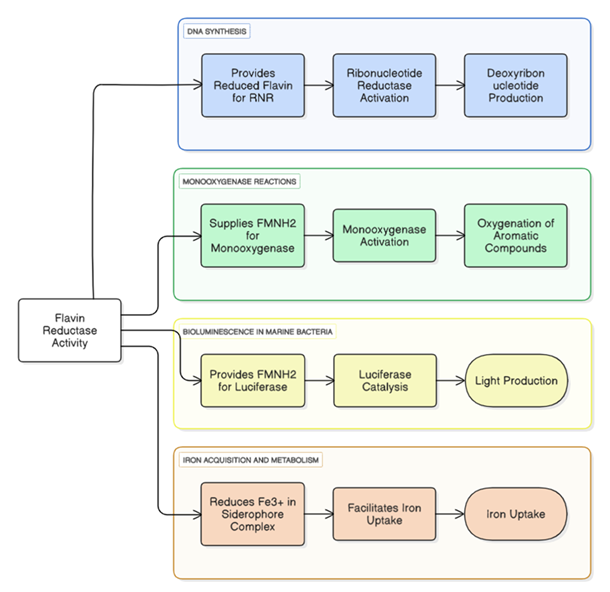
Paracoccus denitrificans is a metabolically adaptable prokaryote equipped with diverse oxidoreductase
enzymes that enable persistence across soil, marine, and industrial environments. This study reviews
key reductase enzyme families, including flavin, iron, quinone, and chromate/chromate-related reductases,
emphasizing their biochemical roles and biotechnological potential.
Authors:Payal M. Oak,
Vojtěch Sedláček Published on:
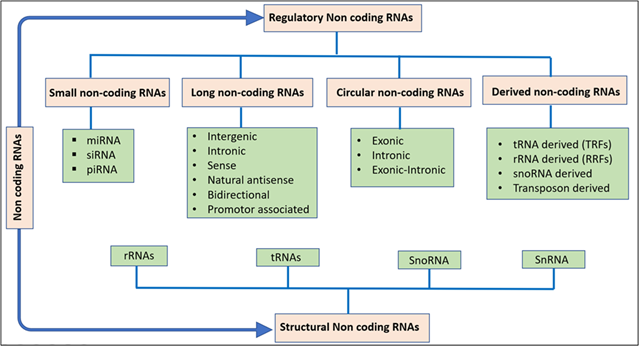
Advances in next-generation sequencing (NGS) technologies have revolutionized our knowledge of the transcriptome,
leading to the discovery of multiple classes of non-coding RNAs (ncRNAs) across all kingdoms of life.
Authors:Ankith U M,
Deepika V,
Anitha Peter,
Vimanth S Published on:
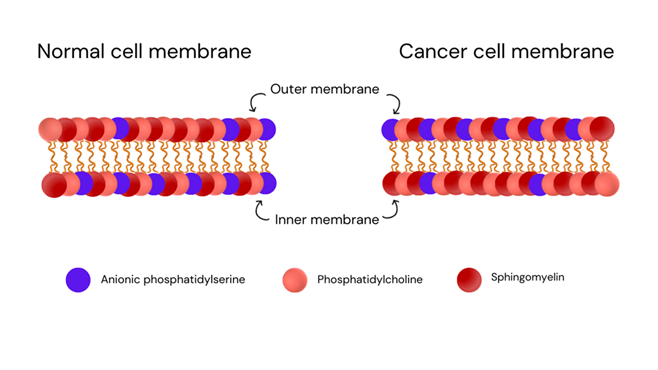
Cancer continues to pose a significant global health challenge, prompting continuous research and innovation in
therapeutic modalities. Among the evolving methods and approaches, therapies derived from peptides have emerged
as an upcoming frontier, within the bounds of anticancer treatments. Peptides play a crucial role in pathophysiology,
diagnosis, and treatment of hematologic malignancies.